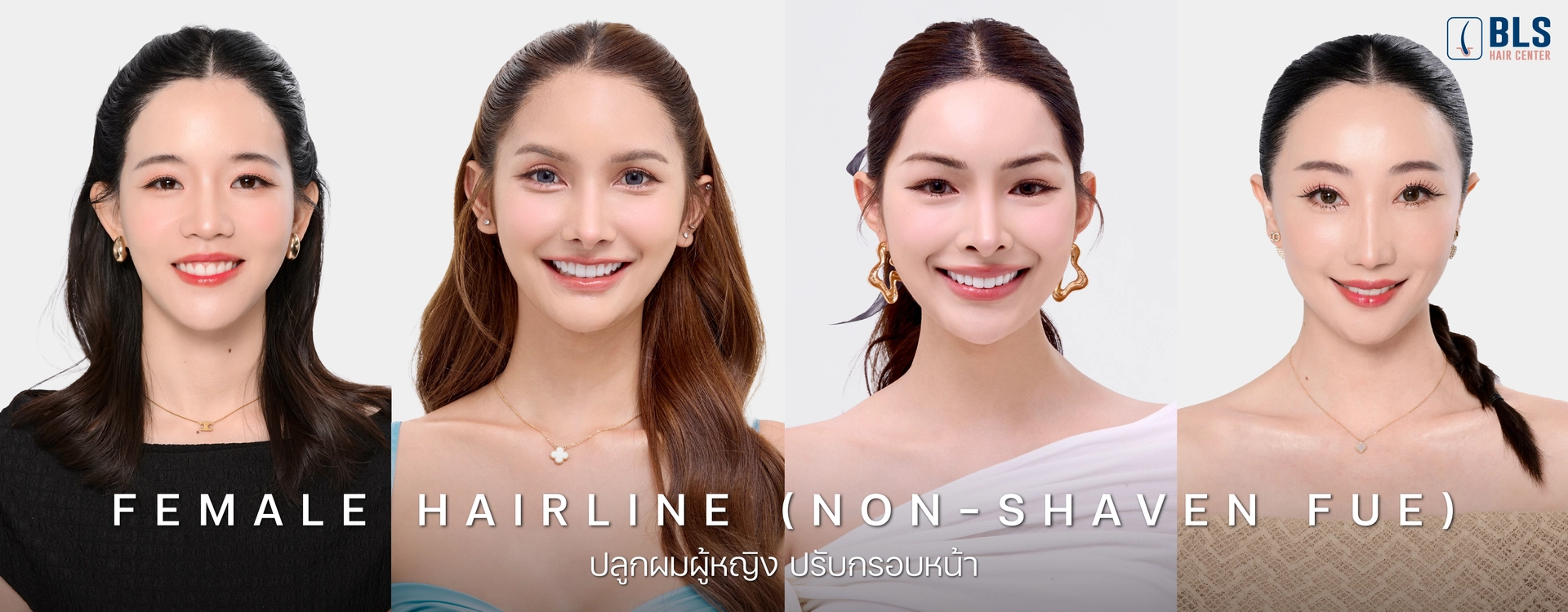
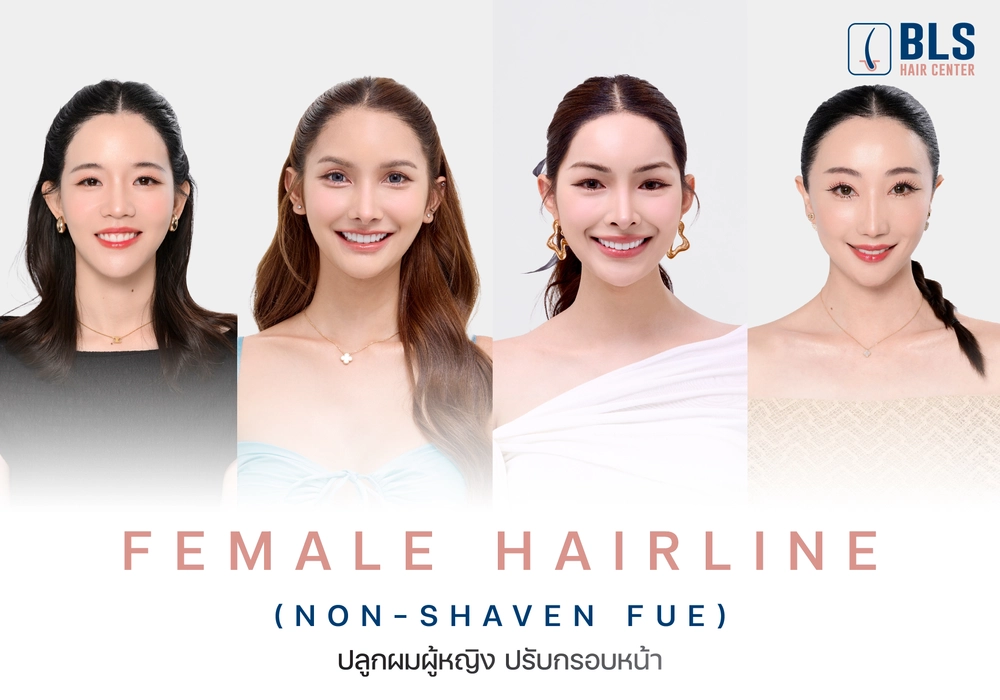
Which Hair Problems in Women Are Suitable for Hair Transplant?
What are the hair problems in women_01
Excessive Hair Loss
Normally, people lose about 100 hairs per day. However, those experiencing excessive hair loss of more than 100 hairs daily are considered to have hair loss conditions, which may lead to thinning hair, visible scalp, or baldness. Permanent hair transplantation can help restore density and replace lost hair.
Thinning Hair at the Center Part
Women with thinning hair often notice widening of the center part. If untreated, the part becomes increasingly visible. Female hairline transplantation can restore hair density at the center part without thinning the back area. Technique performed by Dr. Bee — Hair Transplant Specialist.
Thin hair-middle part
Wide forehead
Wide or High Forehead
A receding frontal hairline forming an “M-shaped” forehead can make the face appear less feminine and more masculine. Hair transplantation helps reshape the face, reduce a receding or wide forehead, and create a softer, more balanced facial frame.
What Is Female Hairline Transplant?
Female Hairline Transplant is a permanent solution for women experiencing hair loss, thinning, wide foreheads, or deep frontal recession. It involves designing a hairline that harmonizes with the patient’s facial structure, then transplanting strong follicles from the occipital area to the front. This enhances density, reduces forehead size, and softens the face for a more youthful appearance.
How Many Types of Female Hairline Transplant Techniques Are There?
Popular Techniques for Female Hairline
Non-Shaven FUE Hair Transplant Technique
Non Shaven FUE Hair Transplant Technique
The Non-Shaven FUE technique is a method of permanent hair transplantation that does not require shaving the donor area at the back of the head. It is an advanced version of the traditional FUE technique, which typically involves shaving a small section of the occipital area to allow the physician to assess, design, and calculate grafts more easily. In this method, only the specific grafts selected for transplantation are trimmed short to facilitate precise extraction and implantation. After the procedure, the donor hair remains long and natural-looking, allowing the patient to resume daily activities without noticeable signs or downtime.
FUE Hair Transplant Technique
FUE, or Follicular Unit Extraction, is a hair transplant method that involves relocating individual hair follicle cells from the “safe zone” at the back of the scalp. The grafts are carefully selected under a microscope to ensure strong, high-quality hair strands. These selected grafts are then transplanted into the target area. This technique does not involve cutting the scalp and leaves only tiny puncture marks the size of hair follicles. Post-procedure recovery is minimal, with virtually no downtime.
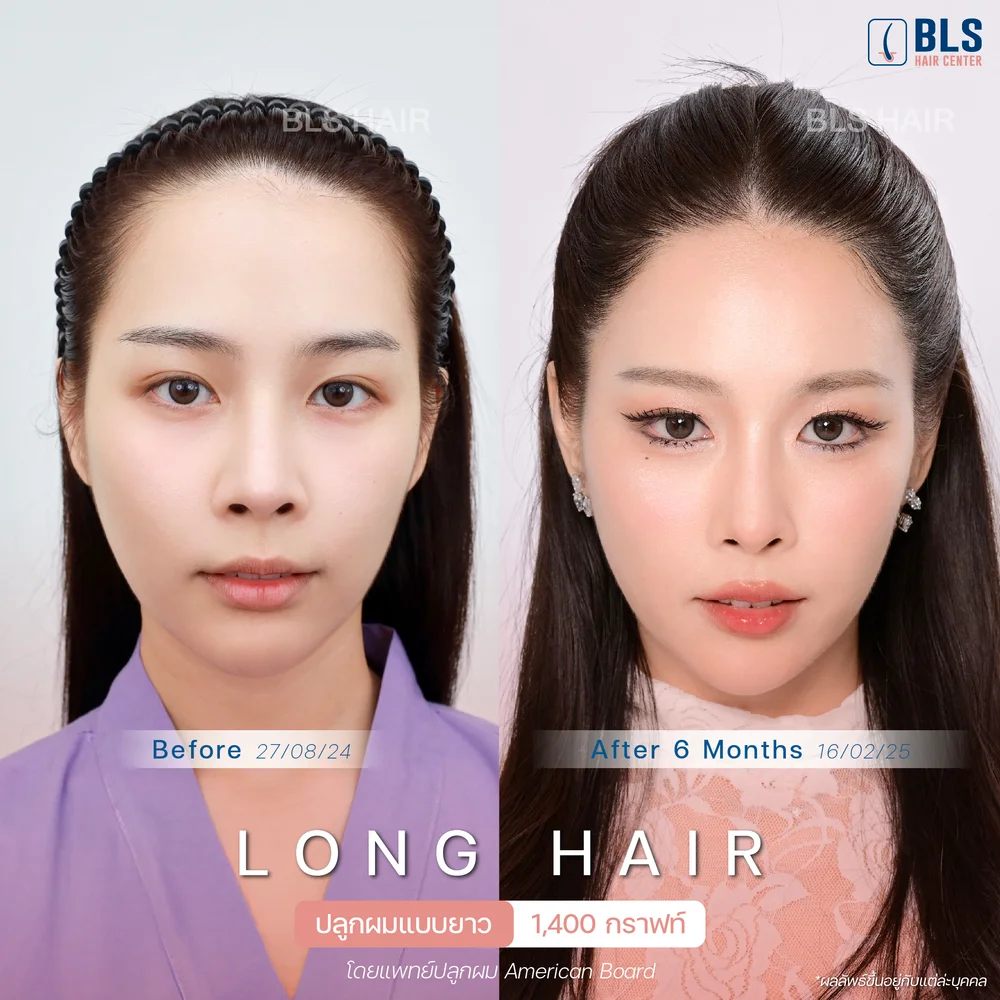
Long Hair Transplant Technique
Long Hair Hair Transplant Natural Hairline After Transplant
The latest innovation in hair transplantation, the Long Hair Transplant technique, involves extracting long hair strands along with their follicle cells and transplanting them directly into the affected area—without trimming the donor hair. This is done using a specialized small-diameter punch tool designed specifically for the Long Hair Transplant method. As a result, the transplanted area immediately appears naturally full with long hair, avoiding the stubby look often seen after other methods. Recovery time is minimal.
Benefits of Female Hairline (Non-Shaven FUE)
Scars are hidden under existing hair
No patchiness at the back—hair remains full and natural
No downtime—resume daily life immediately
No visible scarring
Natural direction and flow of new hair
Enhances facial proportions—softer, slimmer look
Reduces forehead size—confident styling and updos
Long-lasting solution for female hair loss and thinning
Who Is Female Hairline Suitable For?
Women with thinning, hair loss, or baldness
Those with sparse baby hairs or high hairlines
Those with wide foreheads who feel insecure styling their hair
Those seeking softer facial framing and a more refined appearance
Procedure Steps
Hair transplant procedure for women
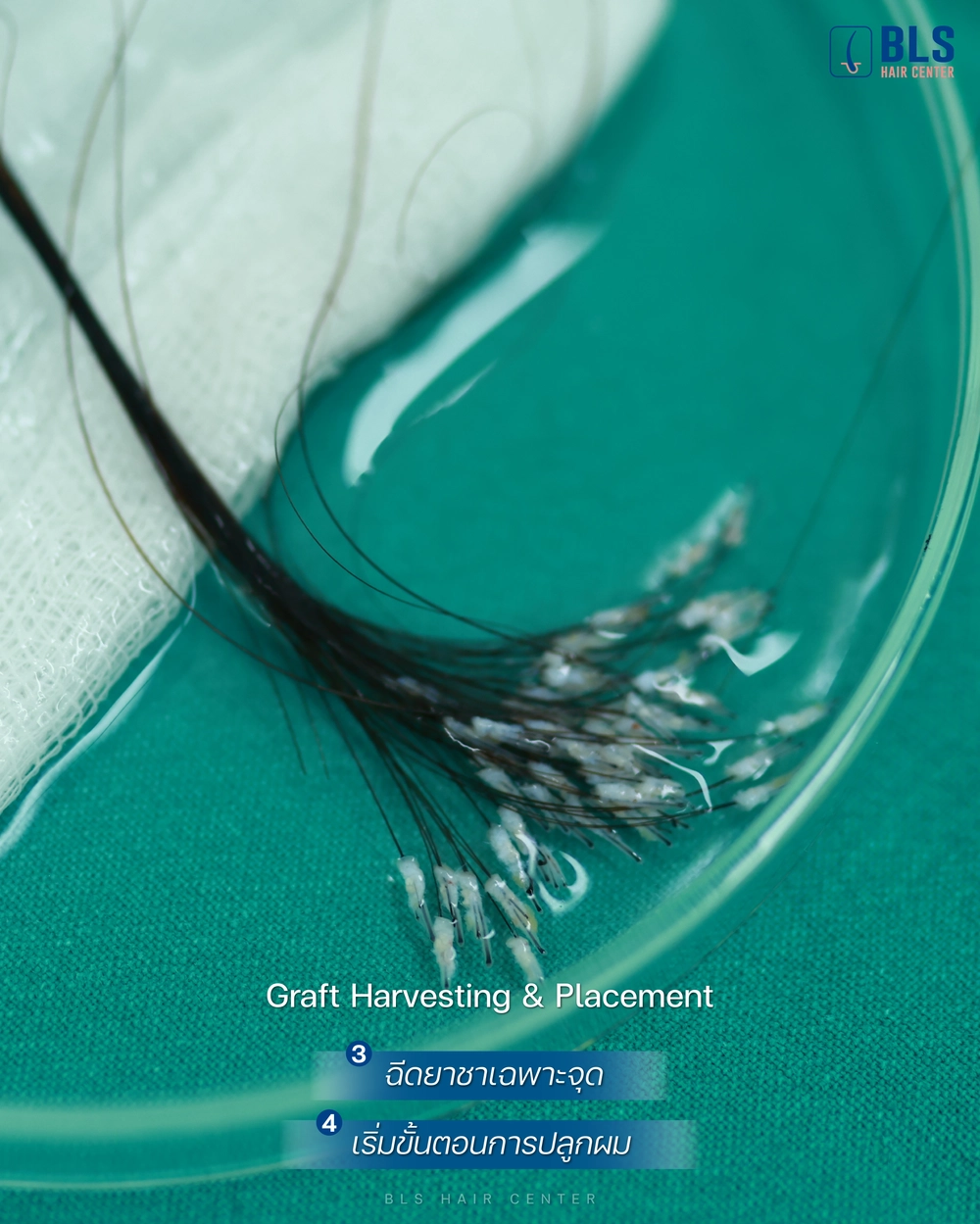
1. Select strong donor follicles from the occipital area and trim only the grafts for extraction
2. Local anesthesia is administered—patients feel no pain once it takes effect
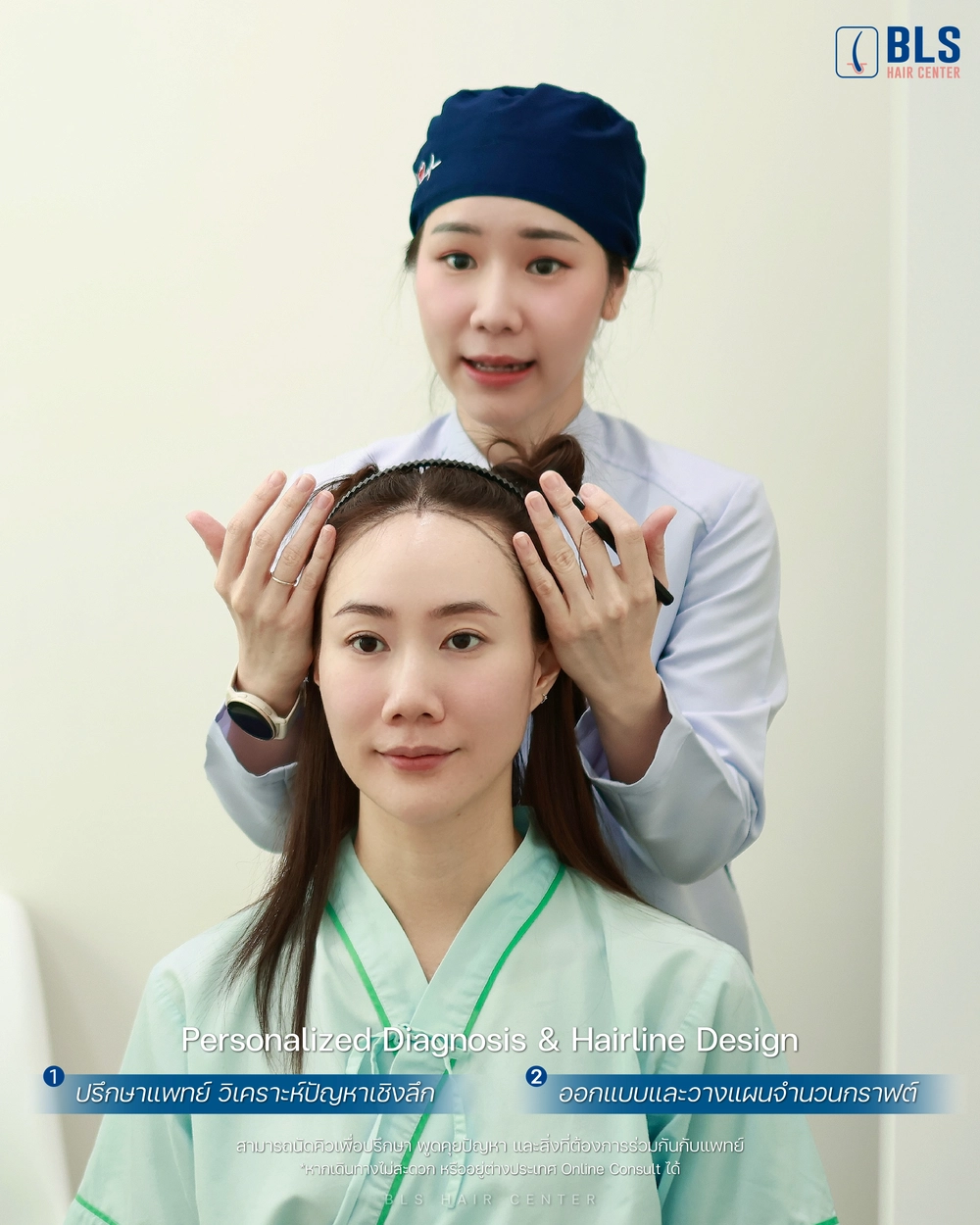
Hairline design steps
The doctor plans the treatment.
3. Physician uses a 0.8 mm punch tool to extract follicles with precision
4. Microscopic inspection ensures graft quality before transplantation
5. Grafts are implanted into the recipient area with precision
Procedure Duration
Approximately 6–10 hours
Scabs may appear for 2 weeks; hair begins growing at 4 months and full results are visible at 1 year
Possible Side Effects (less than 1% chance)
Minor acne at the transplant site
Mild forehead swelling for 2–3 days depending on individual response
Recovery Time
Just 1 day of rest
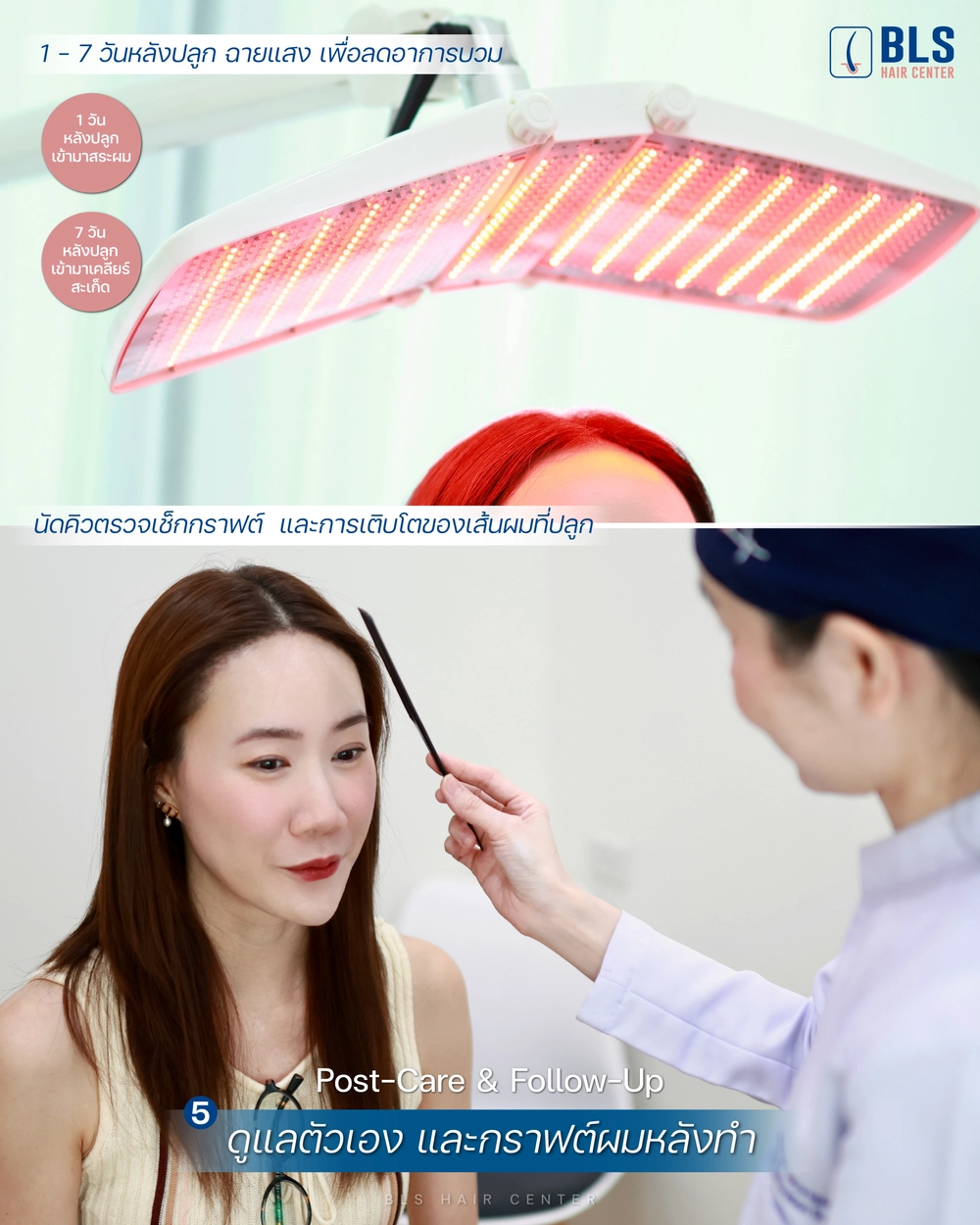
Hair wash at the clinic on Day 1; self-washing allowed afterward
Wounds fully heal in about 10 days
Pre-Procedure Preparation
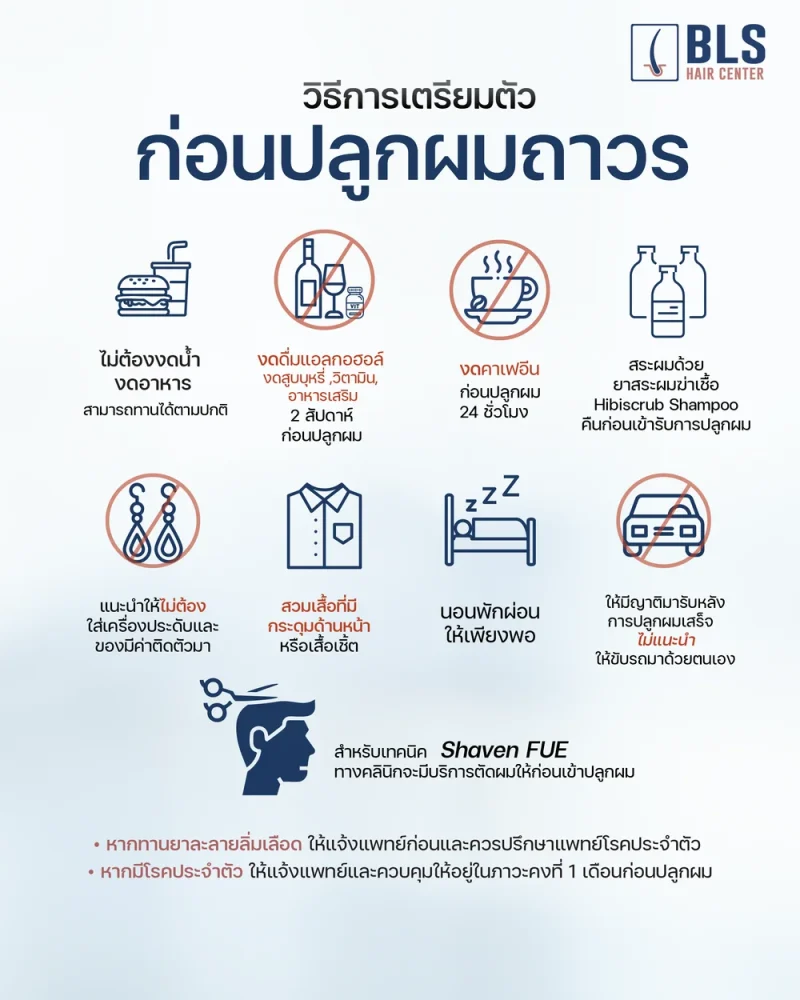
No need to fast—eat and drink normally
Avoid alcohol, smoking, vitamins, and supplements for 2 weeks prior
Avoid caffeine 24 hours before
Wash hair with Hibiscrub Shampoo the night before
Avoid wearing jewelry or valuables
Wear a front-button shirt or blouse
Get adequate sleep
Arrange for someone to pick you up—do not drive yourself
For Shaven FUE, the clinic provides hair trimming service
Inform your doctor if you take blood thinners or have chronic conditions—must be stable for 1 month prior
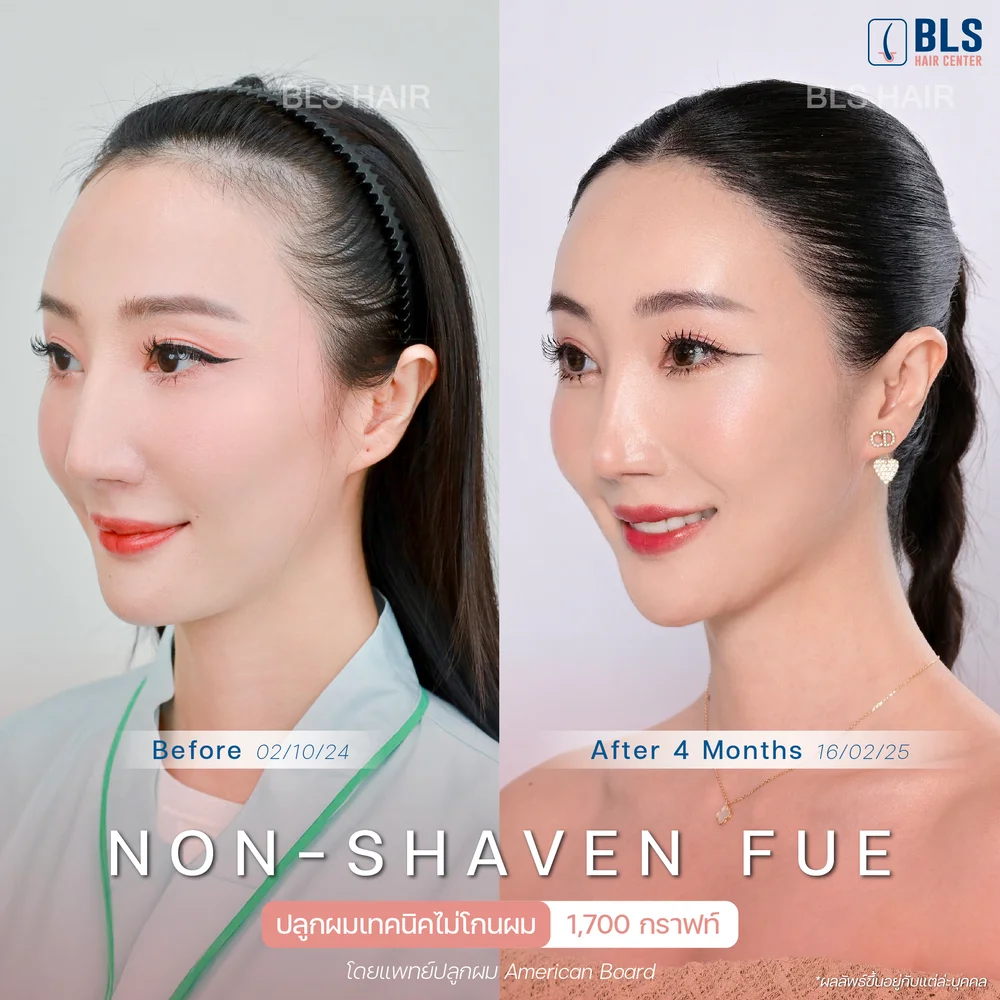
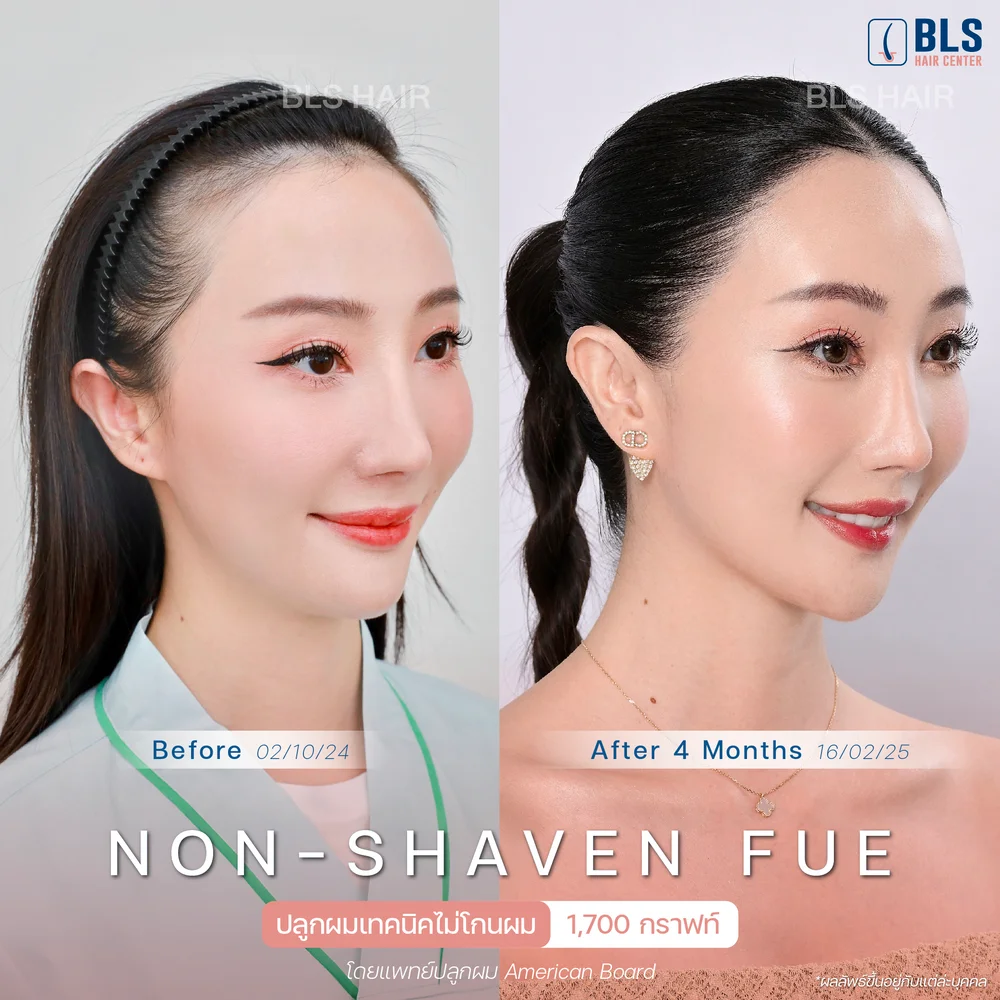
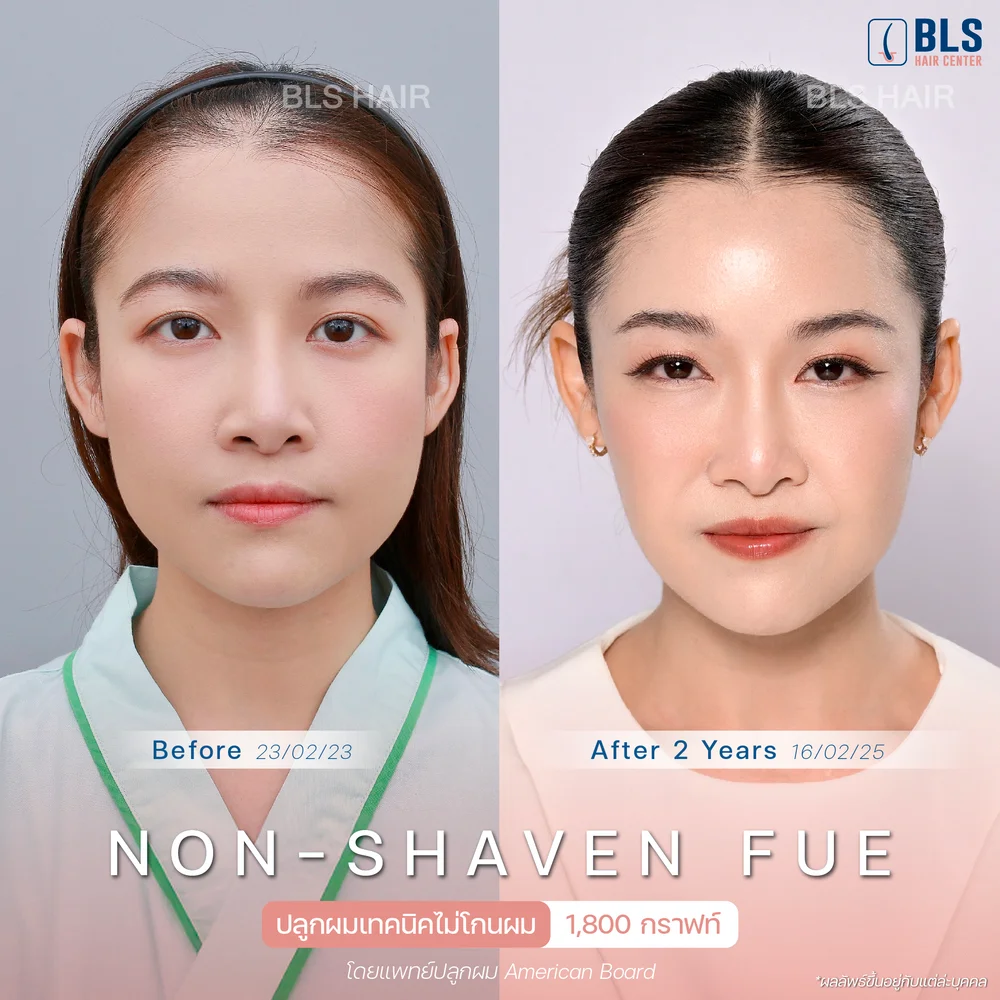
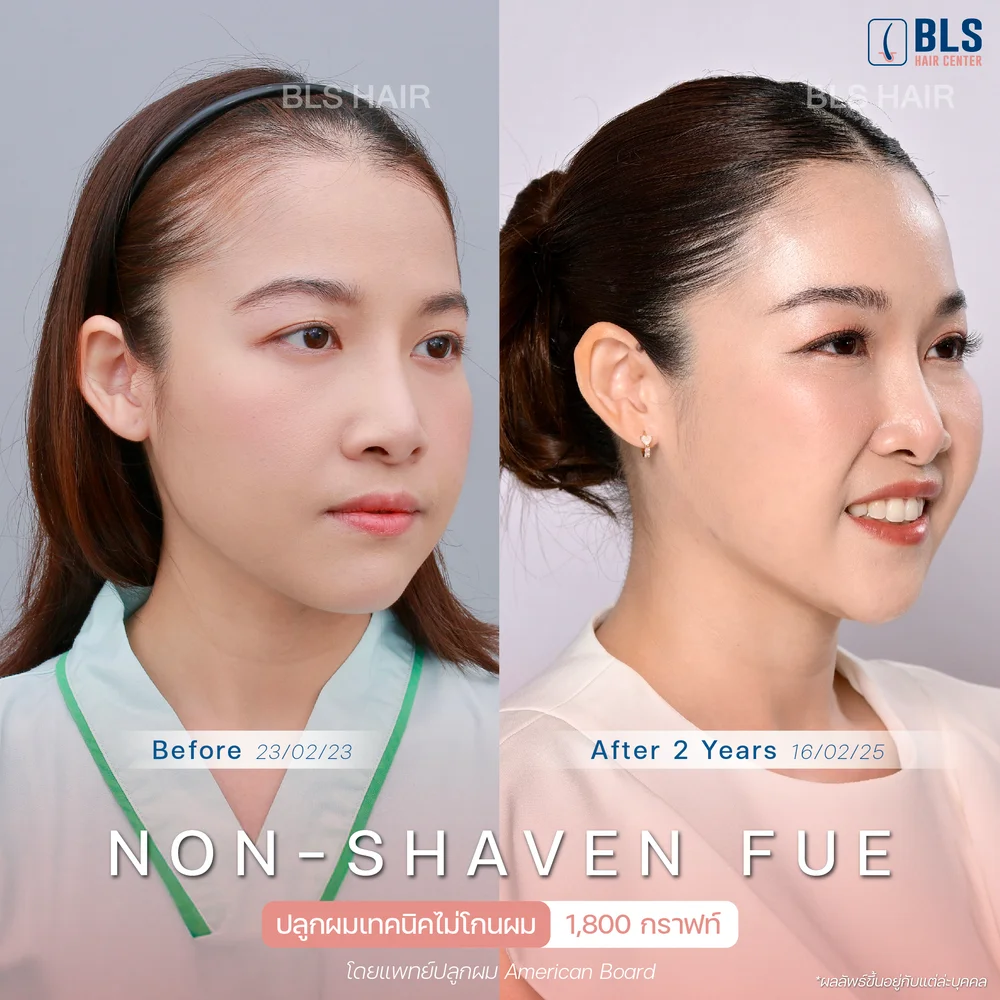
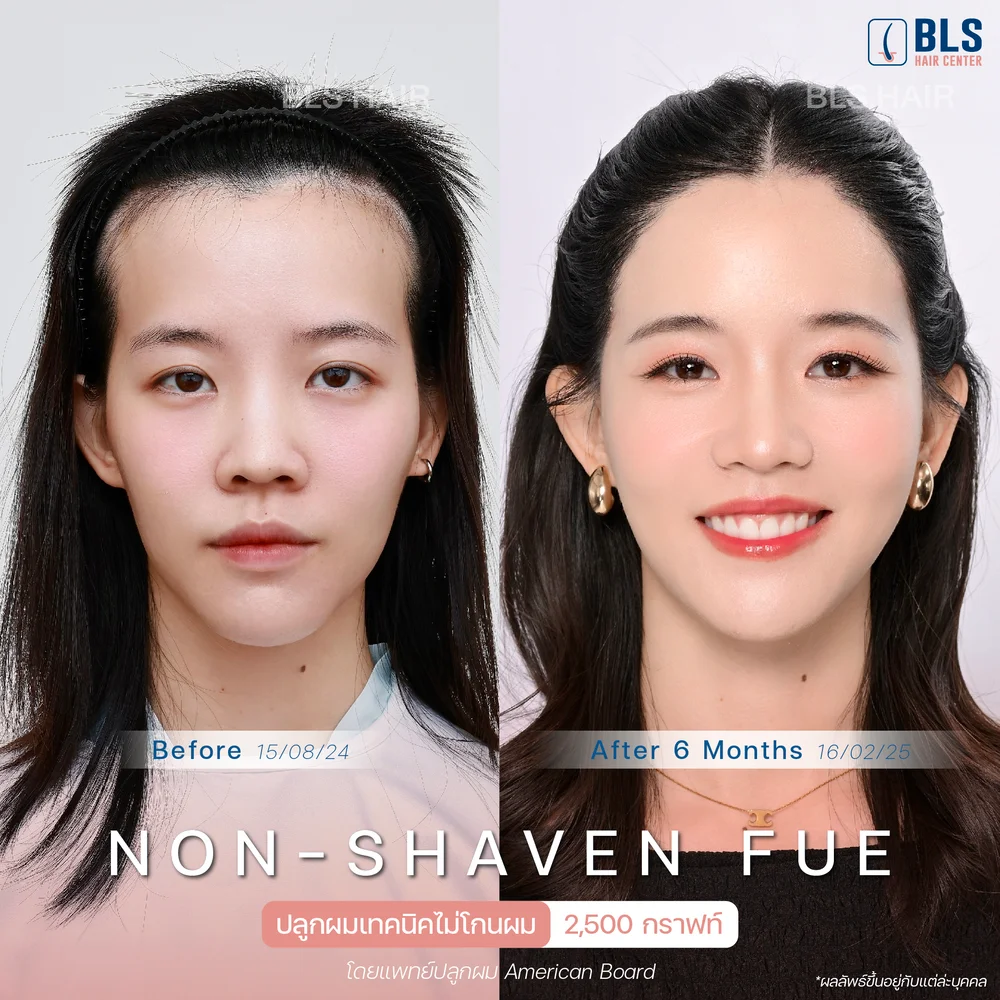
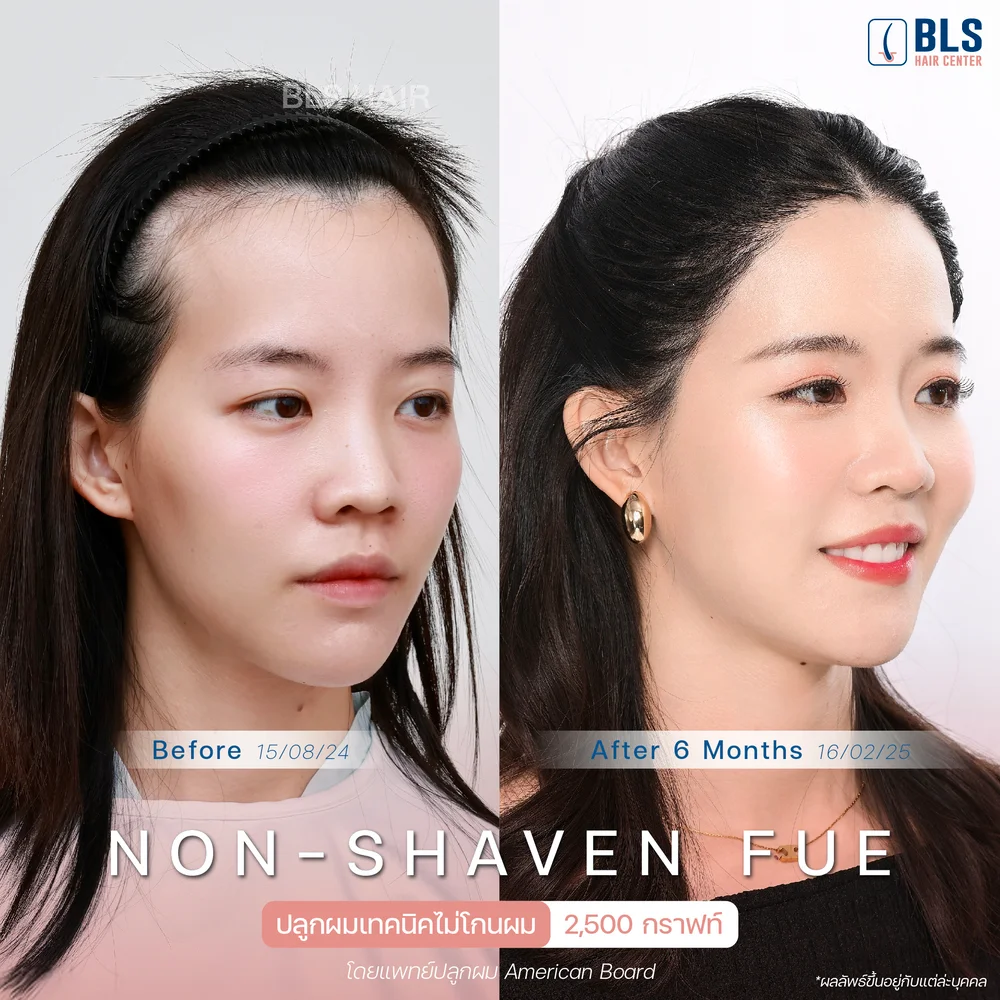
Results of Female Hairline Transplant Using Non-Shaven FUE Technique
Results after female hair transplant
After female hairline transplantation, thinning hair, sparse hairline, and wide forehead are corrected naturally. A refined hairline enhances facial harmony.
Immediately after the procedure, there are no wounds at the back since shaving is not required. Hair remains intact, allowing patients to style or tie their hair normally without affecting appearance.
During the first 2 weeks, scabs may be visible in the transplanted frontal area.
At 1–2 months post-procedure, hair shedding occurs as part of the normal hair cycle.
At 4–6 months, approximately 60% of new hair growth is visible.
Results after 6 months of female hair transplant
After about 1 year of treatment at BLS Hair Center
At around 1 year, full hair growth is achieved, resulting in a beautiful, natural hairline and facial frame.
Post-Procedure Care
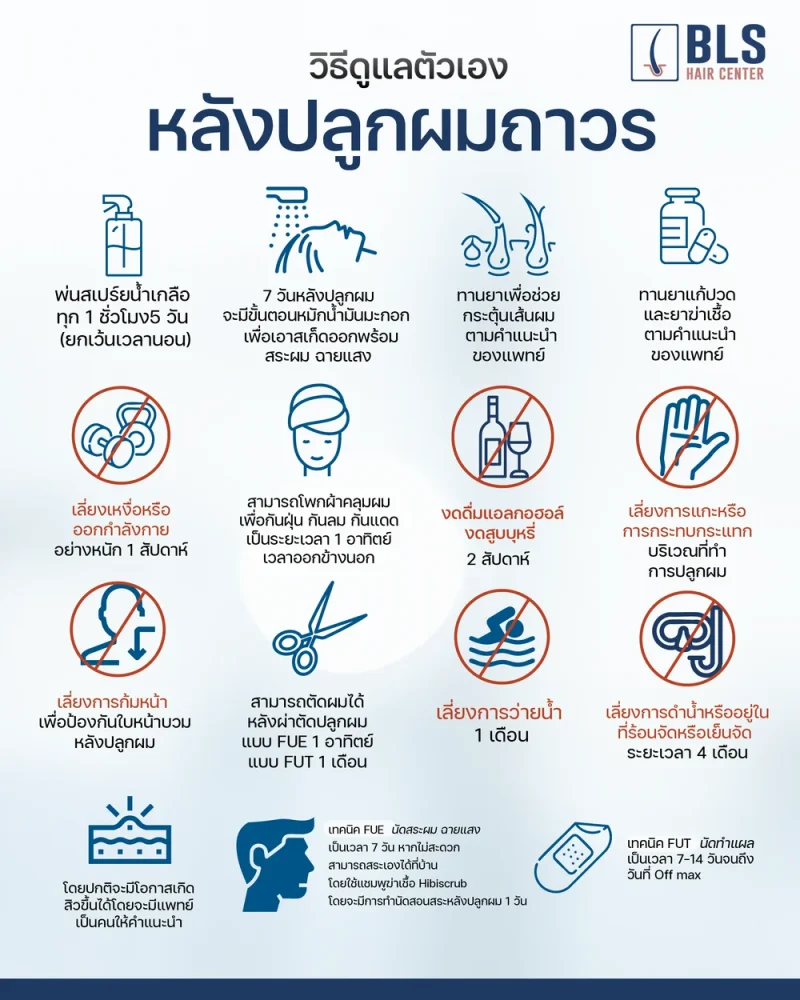
Spray saline every hour for 5 days (except during sleep)
On Day 7, apply olive oil to remove scabs, wash hair, and undergo LED therapy
Take prescribed medications to stimulate hair growth
Take painkillers and antibiotics as directed
Avoid sweating or intense exercise for 1 week
Wear a head wrap to protect yourself from dust, wind, and sun for 1 week outdoors
Avoid alcohol and smoking for 2 weeks
Avoid scratching or impact to the transplant area
Avoid bending forward to prevent swelling
Haircuts allowed after 1 week for FUE, 1 month for FUT
Avoid swimming for 1 month
Avoid diving or extreme temperatures for 4 months
Consult with an American Board-certified Hair Transplant Specialist at BLS Hair Centerand receive a complimentary hair analysis
Hair transplant for women: Review of a great case, beautiful face frame, natural hairline by Dr. B, a hair transplant specialist in ABHRS