Hair loss and baldness—what treatments actually work?
Hair can fall out daily due to routine behaviors such as combing, brushing, shampooing, towel drying, or even weather conditions. Excessive dryness or moisture can disrupt scalp balance, weaken hair strands, and lead to breakage. That’s why treating hair loss is essential to maintaining healthy hair.
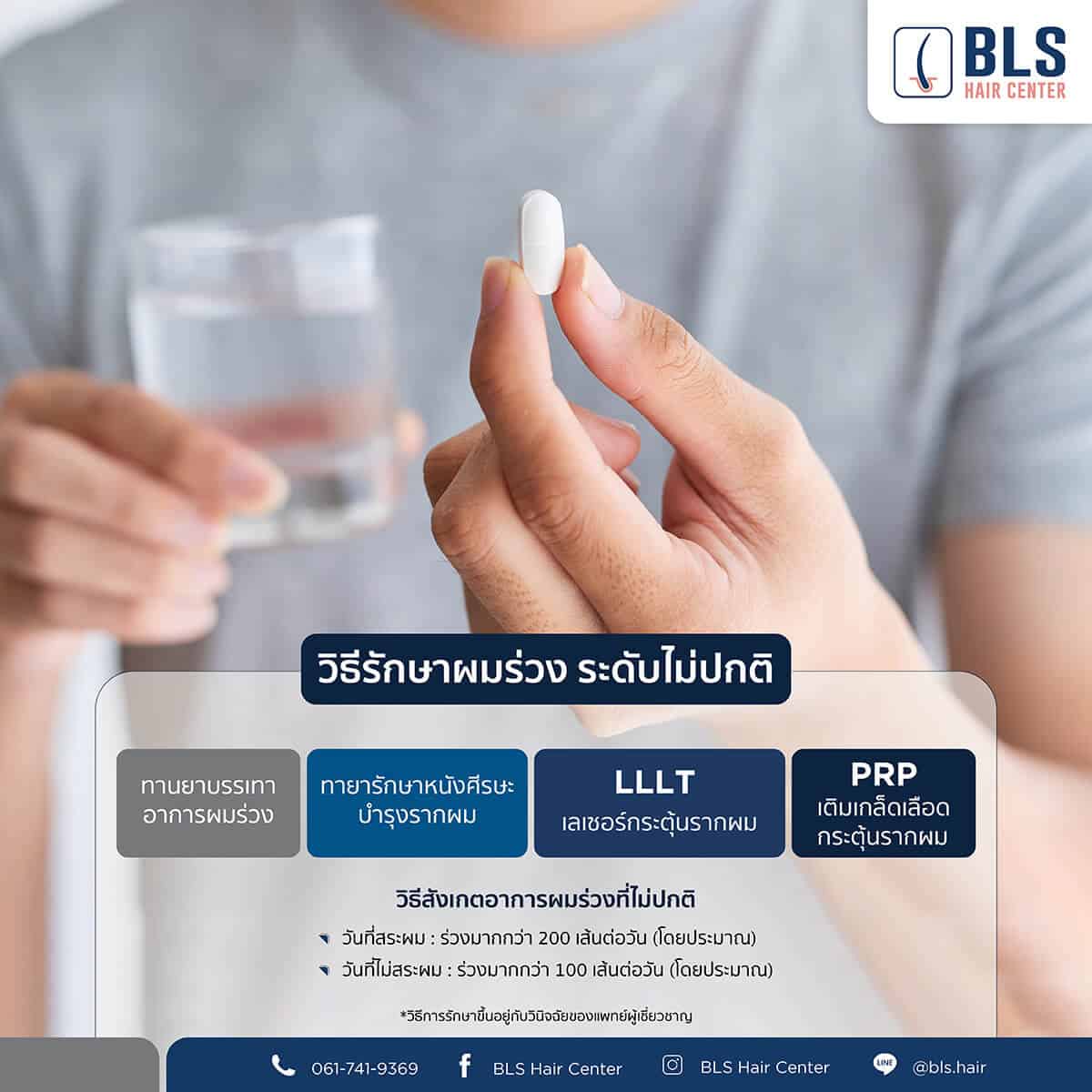
Normal Hair Loss Levels
- On shampoo days: around 200 strands per day
- On non-shampoo days: around 100 strands per day
**Hair loss varies depending on hair length.
New baby hairs typically grow in daily to replace those lost. For those concerned about hair loss, BLS Hair Center has compiled expert-recommended treatments for every level of hair loss.
Treatment for Mild Hair Loss
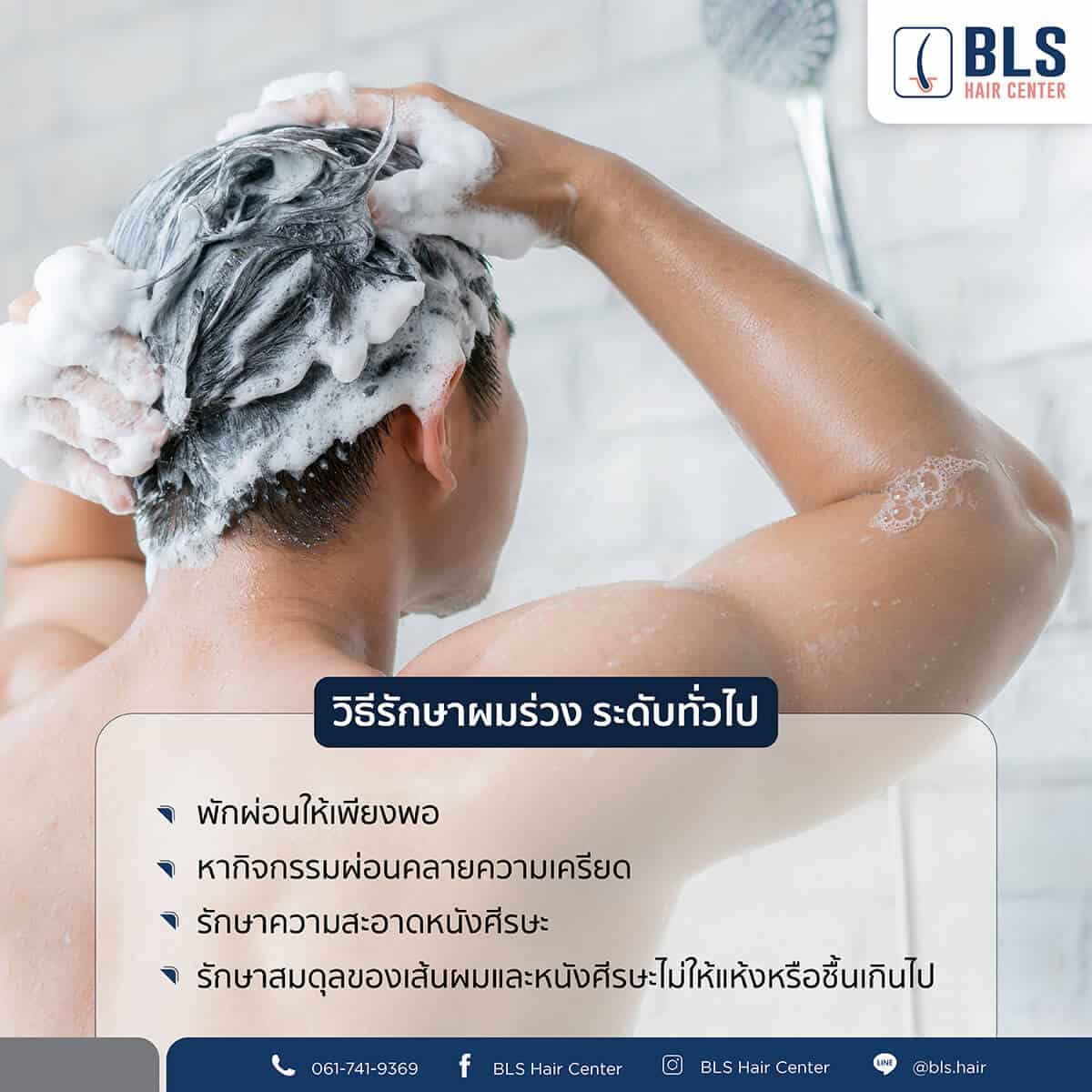
Daily hair loss from combing, tying, brushing, health issues, or stress can be managed by adjusting lifestyle habits:
- Get enough sleep—at least 6 hours of deep rest to allow the body to repair itself
- Drink 1.5–2 liters of water daily to balance hydration and improve blood circulation
- Engage in stress-relieving activities to prevent hormonal imbalances and unconscious hair-damaging behaviors like pulling or excessive combing
- Maintain scalp hygiene—sweat and invisible dust can lead to bacterial buildup, weakening hair roots
- Avoid direct sunlight—use hats or umbrellas to protect the scalp from UV damage, which can dry out and weaken both scalp and hair
- Balance scalp moisture—dry scalps may benefit from olive oil or nourishing serums; damp scalps should be dried promptly
Treatment for Moderate Hair Loss
For those experiencing noticeable thinning or scalp visibility—especially if it’s a new issue—hormonal or health factors may be involved. Treatment may include oral medication, laser therapy, or follicle-stimulating treatments. Options include:
Oral Medications
Finasteride
- Function: Reduces DHT (Dihydrotestosterone), a key cause of male hair loss
- Side effects: May affect sexual function and reduce semen volume
Minoxidil
- Function: Dilates blood vessels to nourish follicles and stimulate growth
- Side effects: Swelling, dizziness, rapid heartbeat, unwanted hair growth (e.g., around ears)
Topical Treatments
- Hair Tonic: A serum rich in nutrients to strengthen scalp and follicles
- Hair Oil: Moisturizes and adds elasticity to prevent breakage
- Antifungal Scalp Treatments: Shampoos or creams containing Ketoconazole or Zinc Pyrithione for fungal-related hair loss
LLLT (Low-Level Laser Therapy)
This therapy uses low-energy laser light to stimulate hair follicles beneath the scalp and improve blood flow—delivering nutrients to the roots.
- Suitable for: Those with thinning hair
- Benefits: Effective with consistent use
- Limitations: Slow results; requires frequent sessions (every 1–2 weeks initially)
PRP (Platelet Rich Plasma) Injections
PRP involves injecting concentrated plasma extracted from the patient’s own blood—rich in growth factors—into the scalp to stimulate follicle repair and reduce hair loss.
- Suitable for: Those with thinning hair
- Benefits: Effective with regular sessions
- Limitations: Requires blood draw; may cause mild swelling or bruising
Research Reference : https://pubmed.ncbi.nlm.nih.gov/30882509/


Treatment for Severe Hair Loss
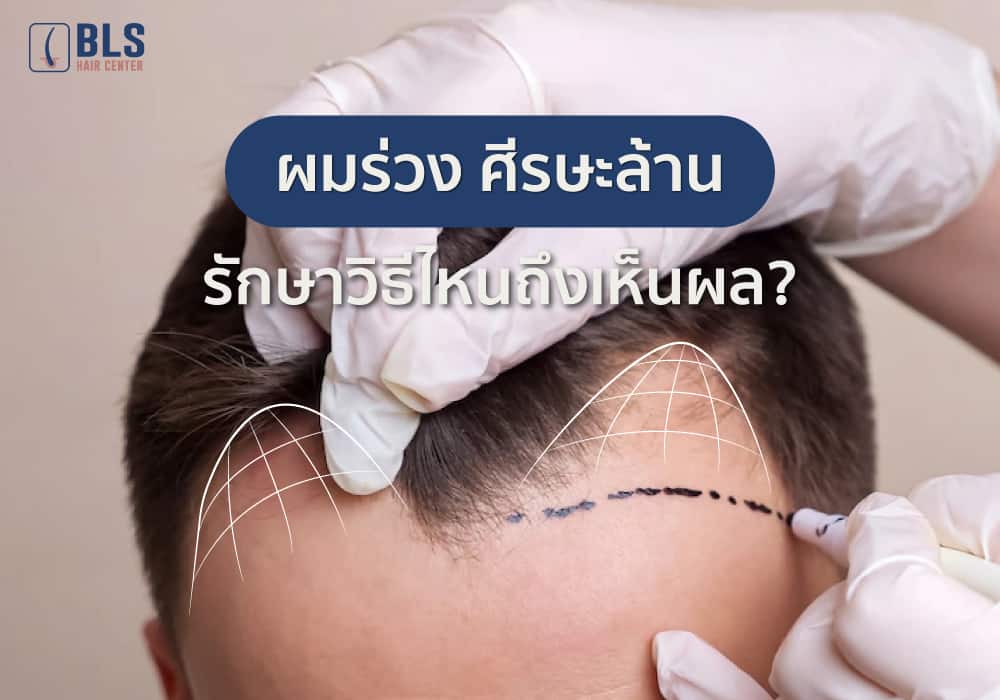
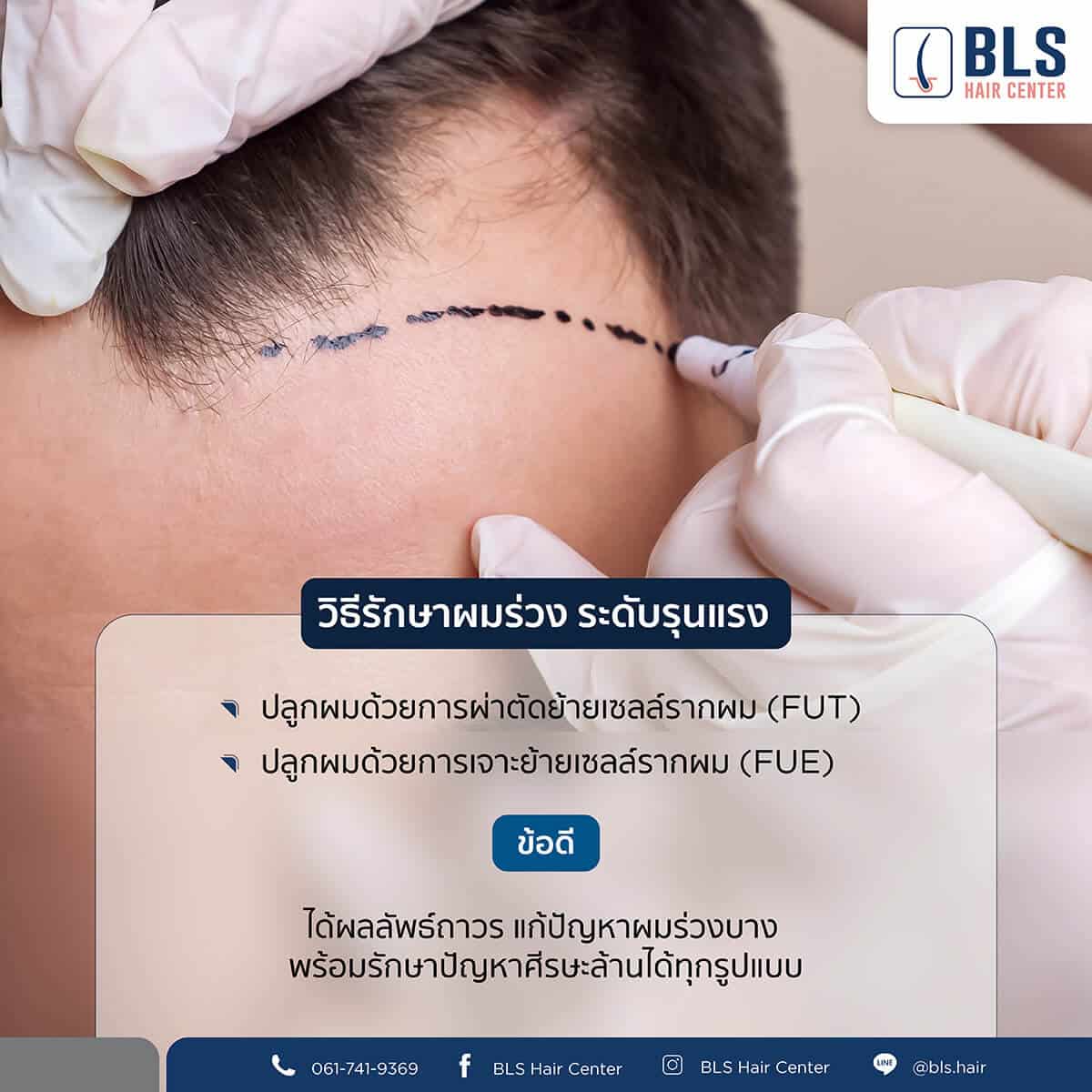
Visible scalp or full baldness is considered severe and cannot be treated with lifestyle changes or medication alone. Hair transplantation by a certified physician is required. The two main methods recognized by the International Society of Hair Restoration Surgery (ISHRS) are:
Follicular Unit Transplantation (FUT)
A surgical method that removes a strip of scalp from the occipital area—rich in healthy follicles—and transplants it to the affected area.
- Suitable for: All types of baldness, including genetic
- Benefits: Clear, natural-looking results
- Limitations: Requires surgery and recovery; may leave a linear scar
Follicular Hair Extraction (FUE)
A non-surgical method using a punch tool to extract individual follicular units from the occipital area and transplant them to the target zone.
- Suitable for: Patchy baldness
- Benefits: Good results with minimal discomfort
- Limitations: May cause uneven appearance depending on physician skill
**Note: Some transplant techniques may be branded or marketed differently but serve the same purpose of follicle stimulation.
If you’re experiencing significant hair thinning or early signs of baldness, you’re welcome to consult our certified hair specialists for a free diagnosis and personalized treatment advice—no charge at all.
Contact Information & Promotions
Line : @bls.hair
Call : 061-741-9369