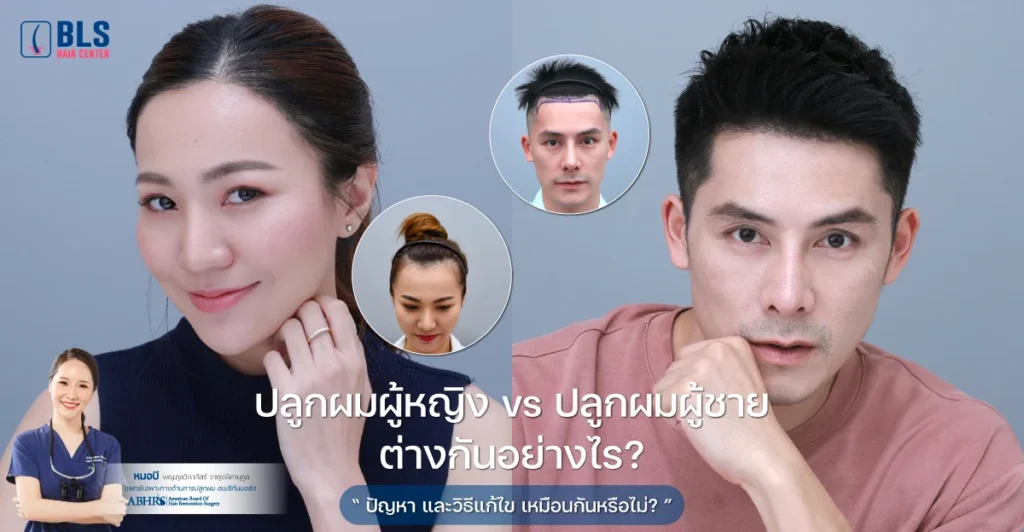
HIGHLIGHTS Permanent hair transplantation is a popular solution—not only for treating thinning hair and baldness but also for boosting confidence and enhancing appearance. In this article, we’ll explore the differences between female and male hair transplantation, understand the root causes of hair problems, and recommend the most suitable techniques for each gender to achieve the best, most natural-looking results.
Hair Transplant That Truly Fits: The Differences Between Women and Men
Hair is the frame of the face that enhances personality and confidence. Many people feel anxious when facing hair loss, thinning, or baldness, which can negatively impact self-image and emotional well-being. Permanent hair transplantation is a highly effective and long-lasting solution to these concerns. But did you know that hair transplantation differs between women and men?
This article will guide you through the key differences in hair transplantation for both genders—covering common problems, treatment approaches, and the most suitable techniques—so you can make an informed and confident decision that truly fits your needs.
Common Hair Problems in Women: Symptoms and Causes
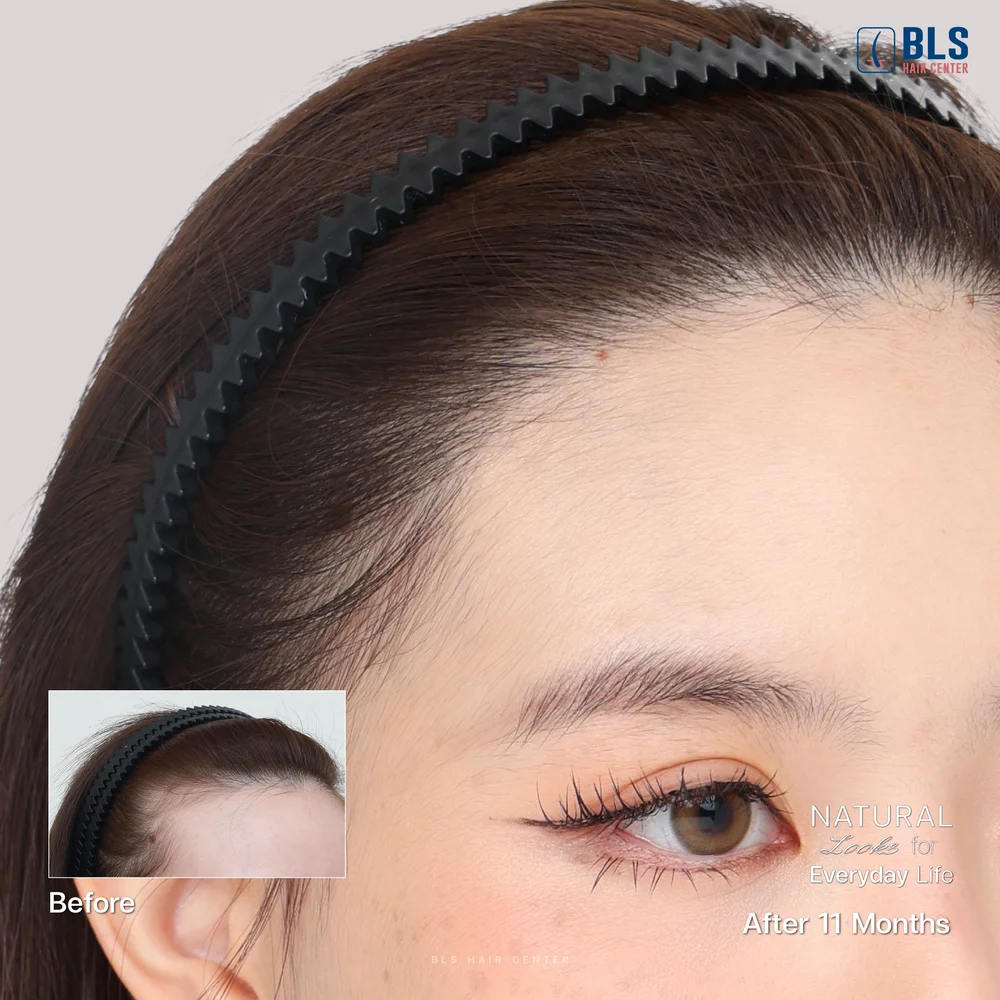
Women are generally less prone to hair loss, thinning, or baldness than men, but that doesn’t mean they’re immune. Female hair loss typically presents as diffuse thinning across the scalp, rather than patchy or circular bald spots as seen in men. Common causes include:
- Genetics: Women with a family history of baldness are more likely to experience hair thinning or loss.
- Hormones: Changes in female hormones such as estrogen and progesterone, especially during menopause, pregnancy, or postpartum, can affect hair health.
- Age: Hair grows actively up to about age 30. Between ages 30–50, growth slows, leading to thinning.
- Stress: Chronic stress affects various bodily systems, including hormones that trigger hair loss.
- Chemical hair treatments: Frequent perming, straightening, dyeing, or heat styling can damage hair, making it brittle and prone to shedding.
- Medical conditions: Thyroid disorders, allergies, and skin diseases can impact hair health.
- Nutritional deficiencies: Lack of protein, vitamins, and minerals can weaken hair.
Warning signs of hair problems in women include:
- Excessive hair shedding (on pillows, clothes, brushes)
- Thinning hair, especially at the crown or part line
- Dry, brittle, split ends
- Circular bald patches
- Scalp baldness in spots or widespread
How Can Women Treat Hair Problems?
Treatment depends on the cause and severity of the issue. Common approaches include:
- Lifestyle changes: Reduce stress, get enough rest, eat a nutritious diet, and avoid frequent chemical treatments.
- Hair care products: Use shampoos, conditioners, and treatments suitable for your hair type.
- Supplements or medication: Take vitamins, minerals, and antioxidants that support hair health.
- Laser therapy: Stimulates blood circulation in the scalp to promote hair regrowth.
- Hair transplantation: Ideal for severe thinning, central part thinning, or baldness—offering fast, effective results.
Recommended Hair Transplant Techniques for Women
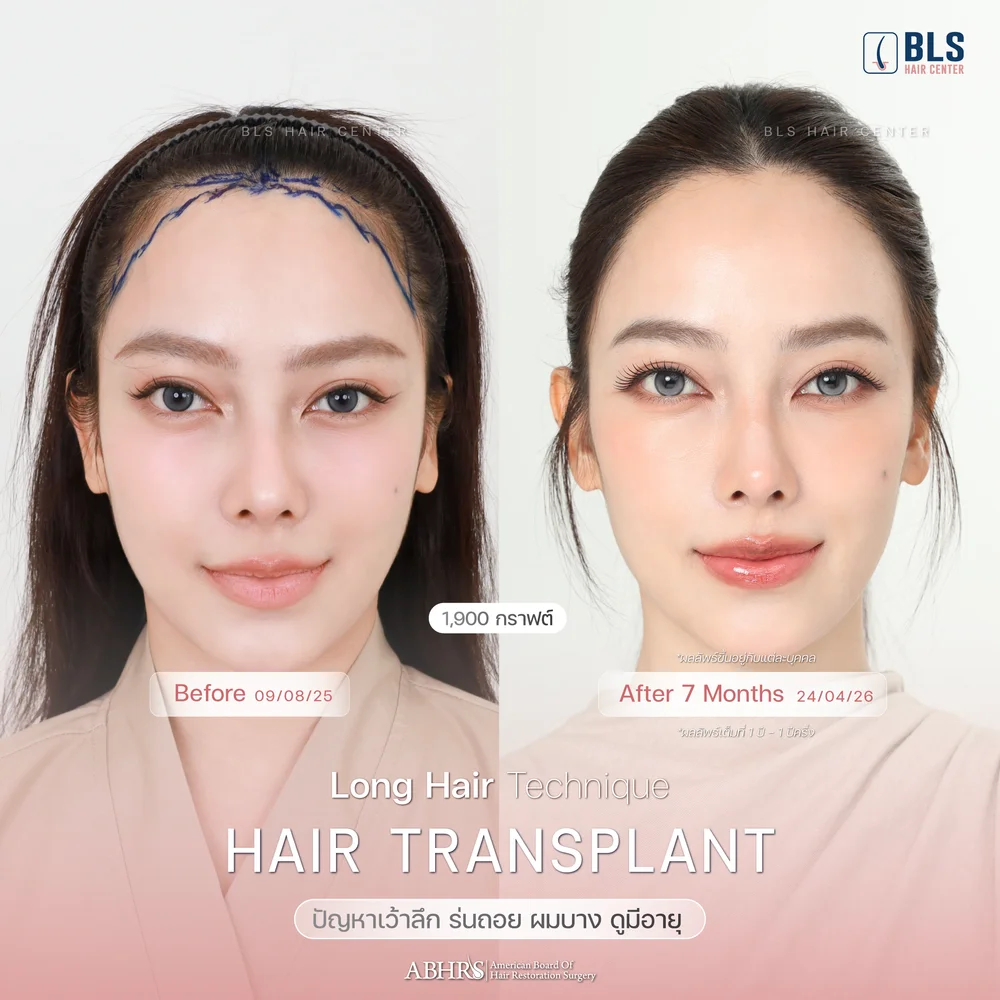
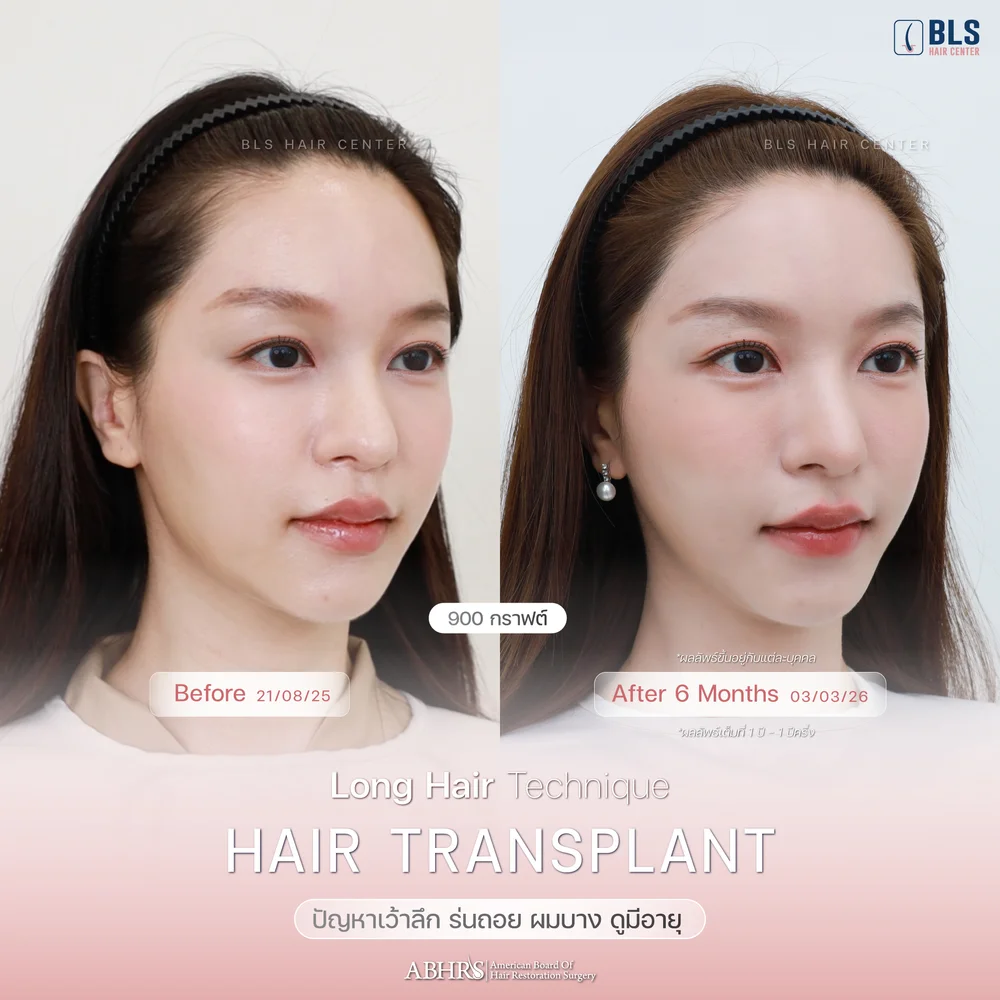
Hair transplantation for women requires delicate techniques that avoid visible scarring and deliver natural-looking results. The most popular and effective method today is FUE (Follicular Unit Extraction), especially the Non-Shaven FUE technique, which is affordable and well-suited for women.
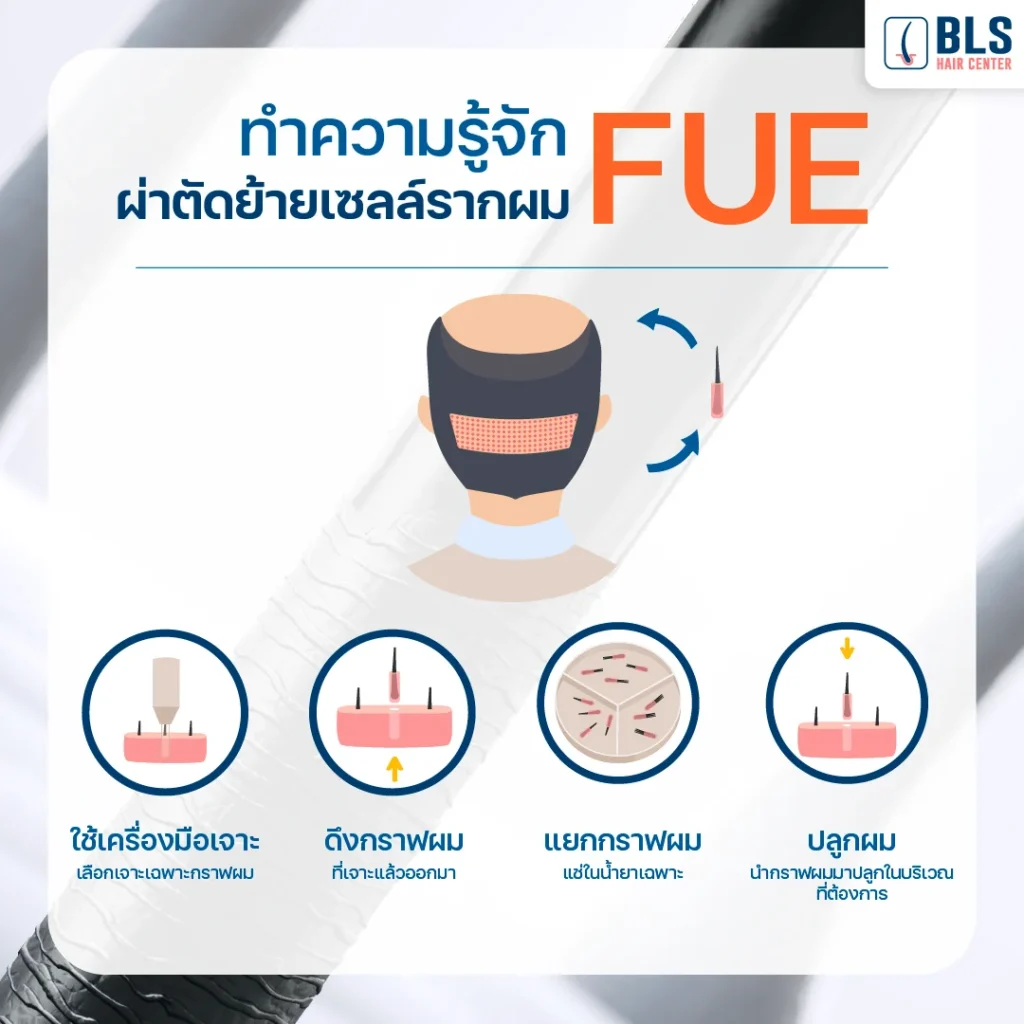
FUE (Follicular Unit Extraction) involves extracting individual follicular units from dense areas (e.g., back or sides of the scalp) and transplanting them to thinning or bald areas. Specialized tools are used to ensure minimal scarring and natural-looking results. The transplanted hair grows like natural hair, with fast recovery. This technique is ideal for small areas such as the forehead or part line—commonly used for central scalp transplants in women.
Non-Shaven FUE Technique
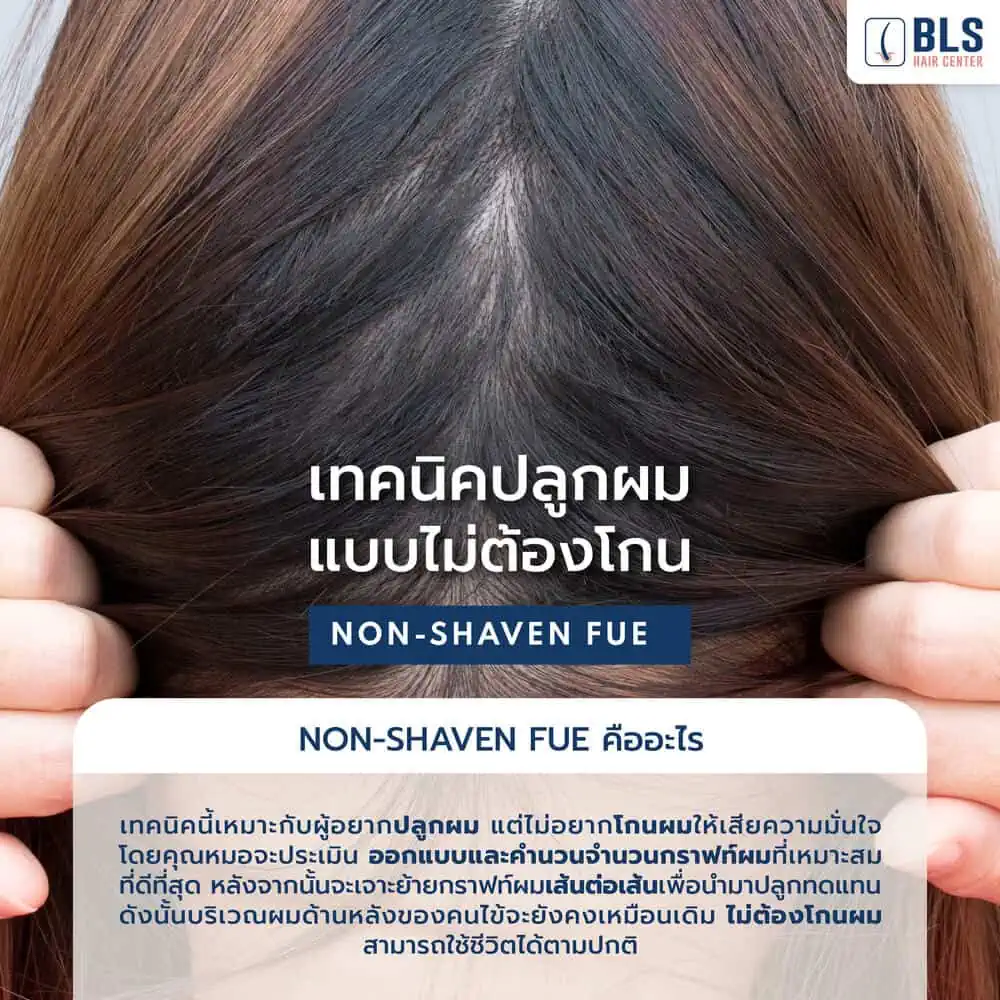
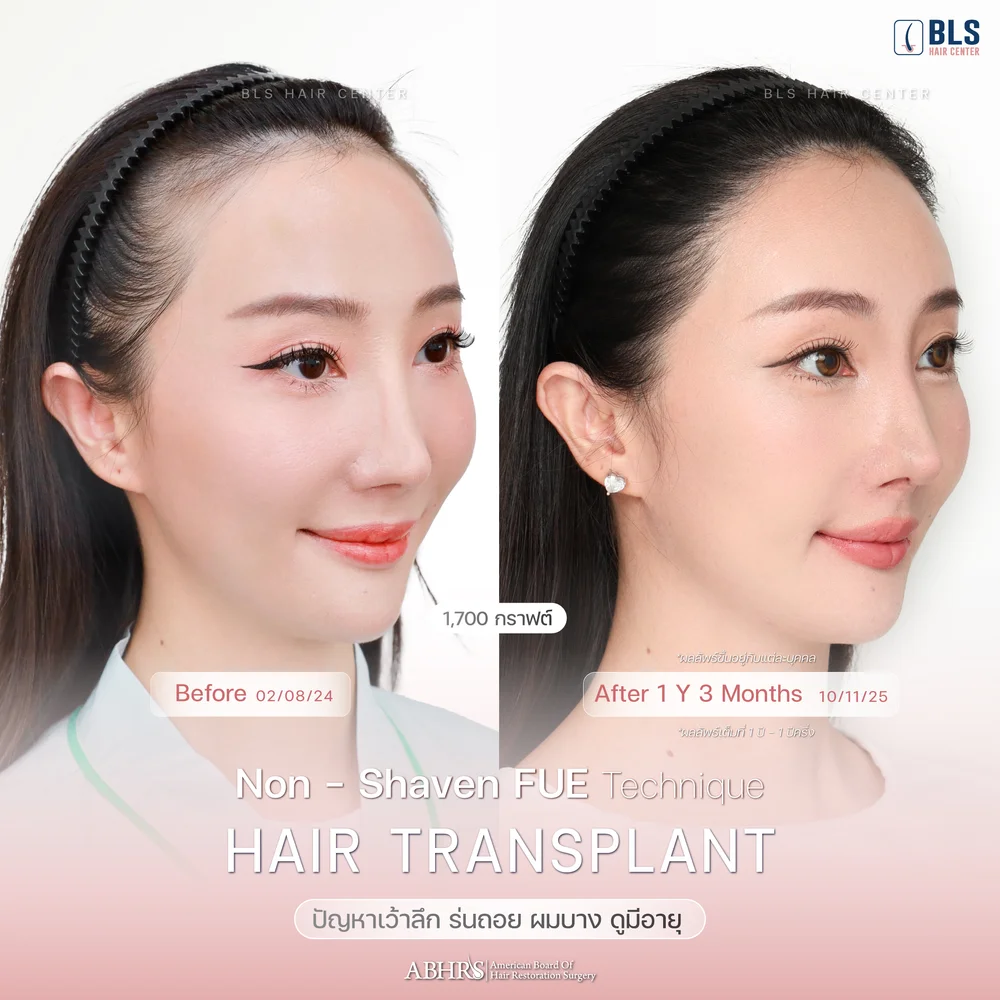
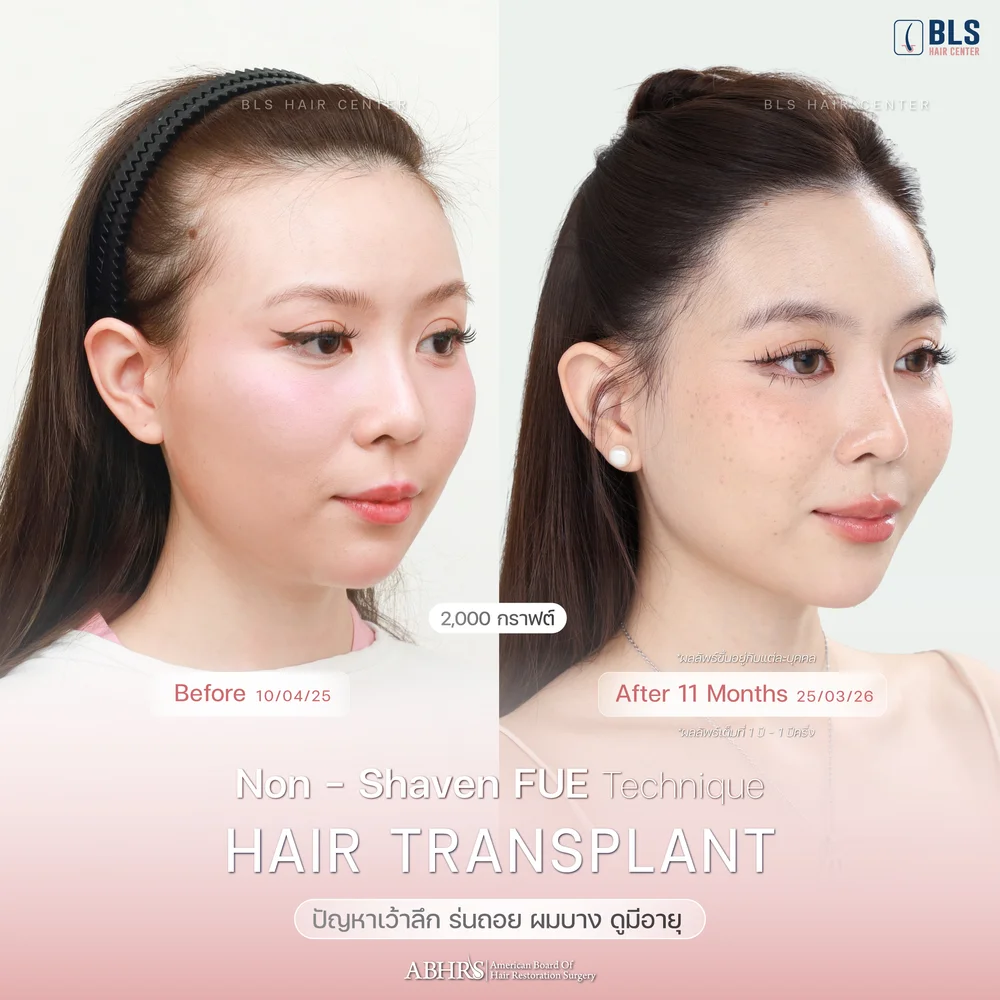
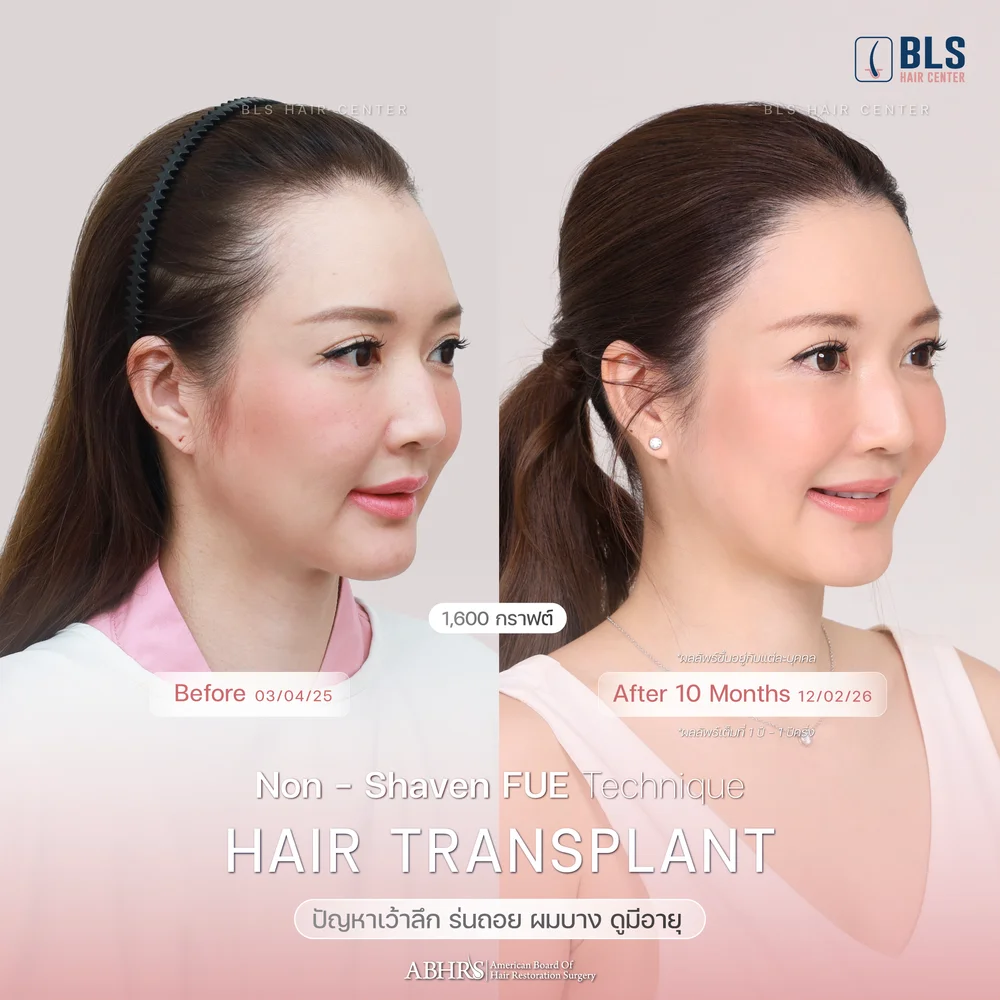
This technique is ideal for those who want to restore hair without shaving or downtime. The doctor selects the highest-quality grafts from the back of the scalp and trims only the necessary areas—no full shaving required. The results include thicker hair, a softer facial frame, and a natural hair pattern. Compared to traditional methods, this approach offers faster recovery and greater privacy, as it’s virtually undetectable.

Non-Shaven FUE allows patients to return to daily life immediately after treatment. It effectively restores thinning hair and reduces forehead size without compromising appearance.
Results and Reviews: Female Hair Transplantation
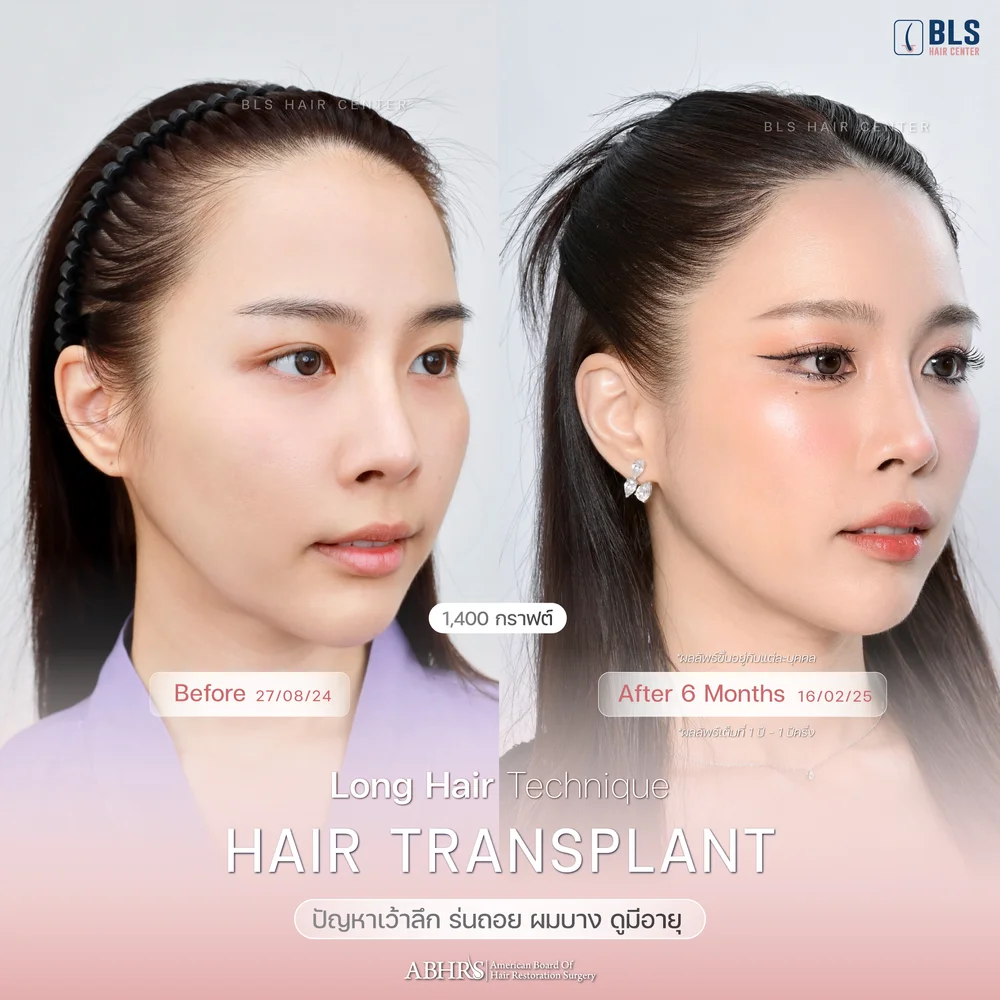
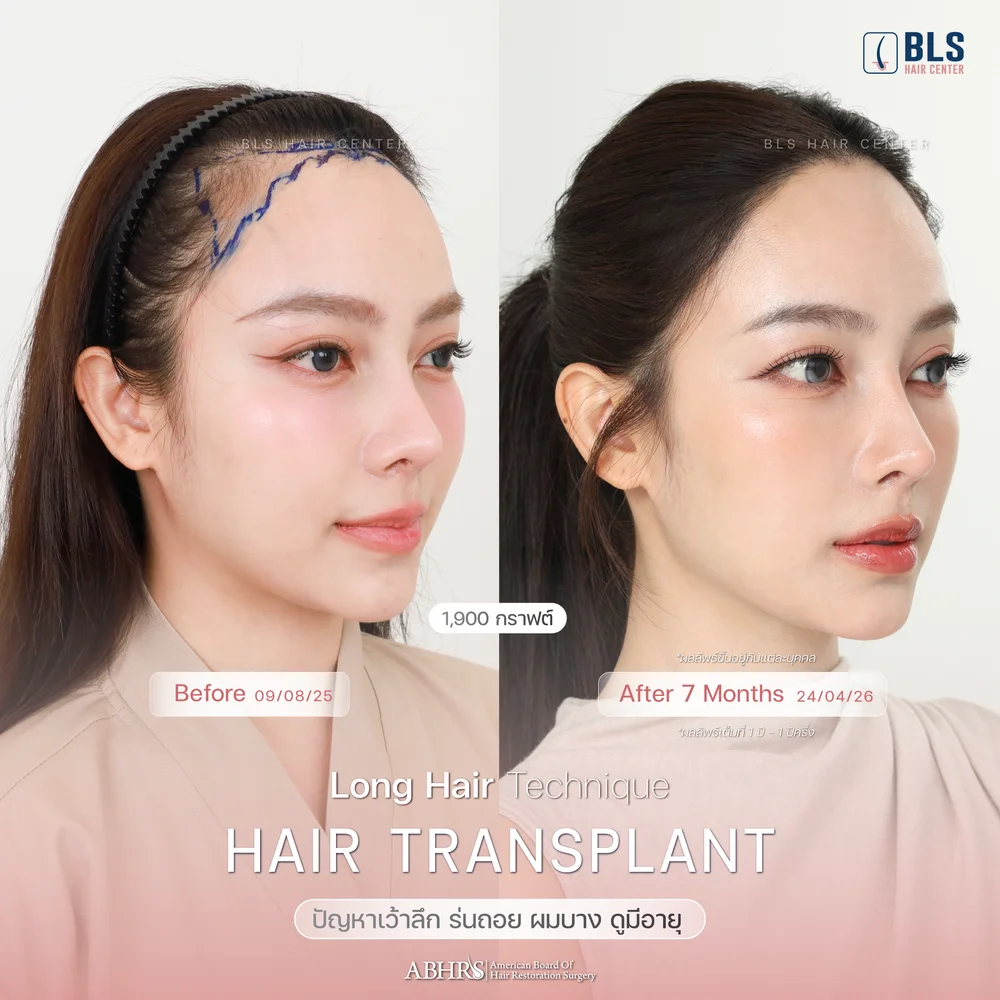
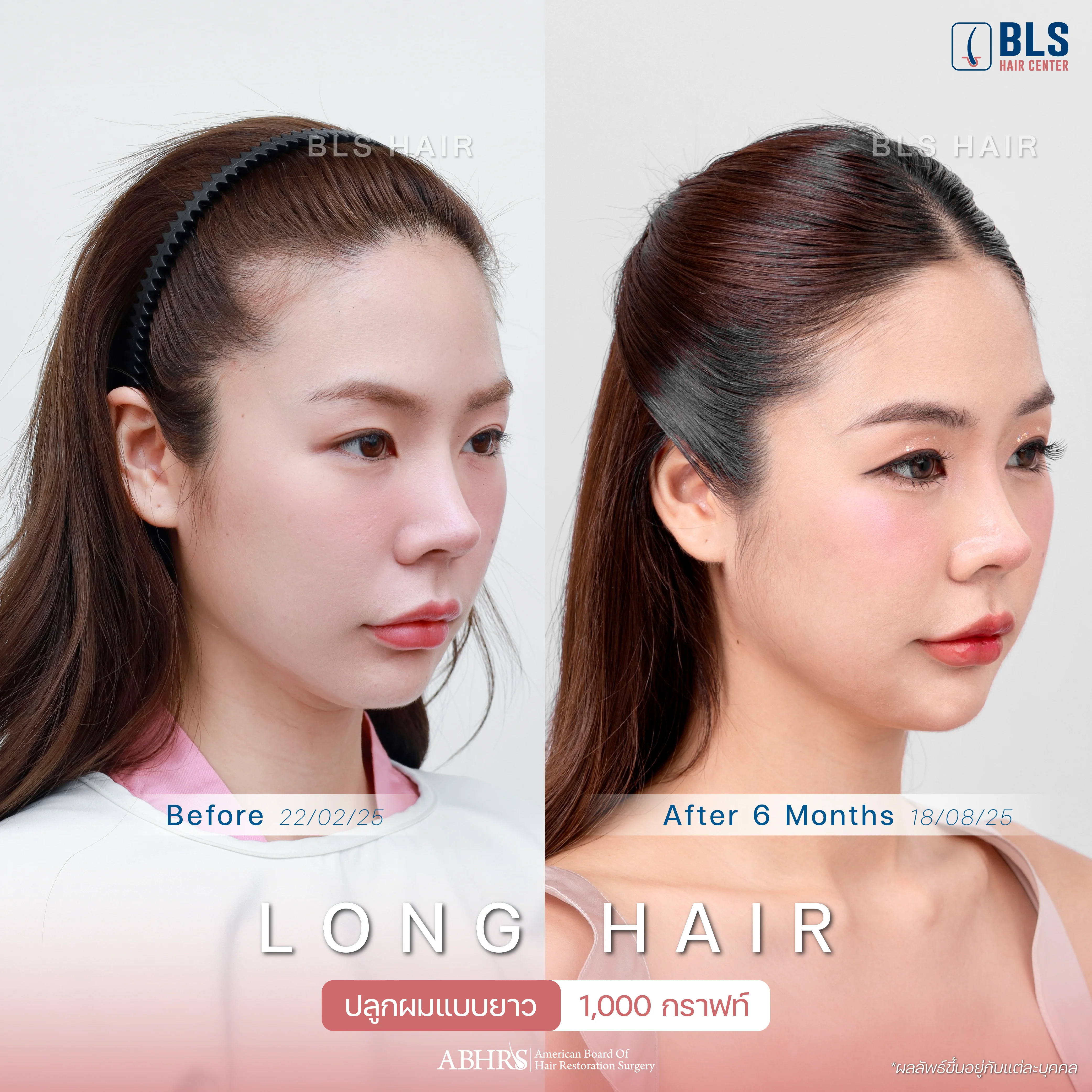
Results typically become visible within 6–12 months. The new hair looks and behaves like natural hair, growing continuously. Many patients report high satisfaction with the density and natural appearance of their new hair.
Reviews highlight how hair transplantation restores confidence. The new hair is not only natural-looking but also easy to style and maintain. Hair transplantation is a worthwhile investment in both results and personal satisfaction.
Common Hair Problems in Men: Symptoms and Causes
Men are more prone to hair loss, especially at the crown and forehead. Causes are similar to those in women—genetics, stress, chemical treatments, medical conditions, and nutritional deficiencies—but men also have higher levels of testosterone, which converts to DHT (Dihydrotestosterone).
DHT weakens hair follicles and leads to shedding.
Common symptoms in men include:
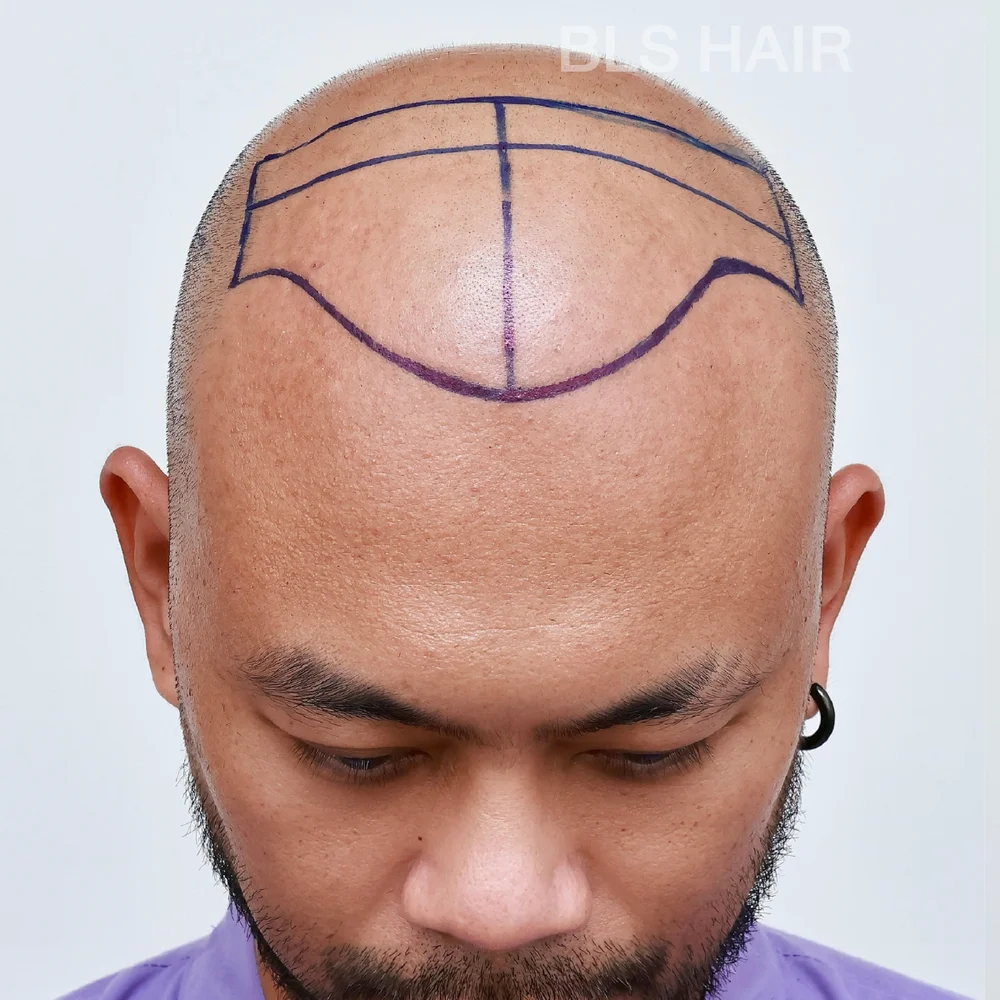
Men are more likely to experience hair loss, thinning at the crown, and baldness than women. The primary causes of hair problems in men are similar to those in women—such as genetics, stress, chemical hair treatments, underlying health conditions, and nutritional deficiencies. However, the key difference lies in the higher levels of the male hormone testosterone, which influences the production of DHT (Dihydrotestosterone). DHT is a major factor contributing directly to hair loss, as it weakens hair follicles and causes shedding. Hair loss in men can result from multiple factors, especially around the forehead and crown, where it often appears as large patches or circular thinning.
Warning signs and symptoms of hair problems in men are like those in women: excessive hair shedding, thinning strands, dry and damaged hair, patchy hair loss, visible scalp, and slower regrowth of new hair.
How Can Men Treat Hair Problems?
Treatment depends on the cause and severity. Options include lifestyle changes, hair care products, supplements, laser therapy, and—if other methods fail—hair transplantation.
Recommended Hair Transplant Techniques for Men
Hair transplantation is crucial for treating baldness and thinning in men. The two most popular techniques are:
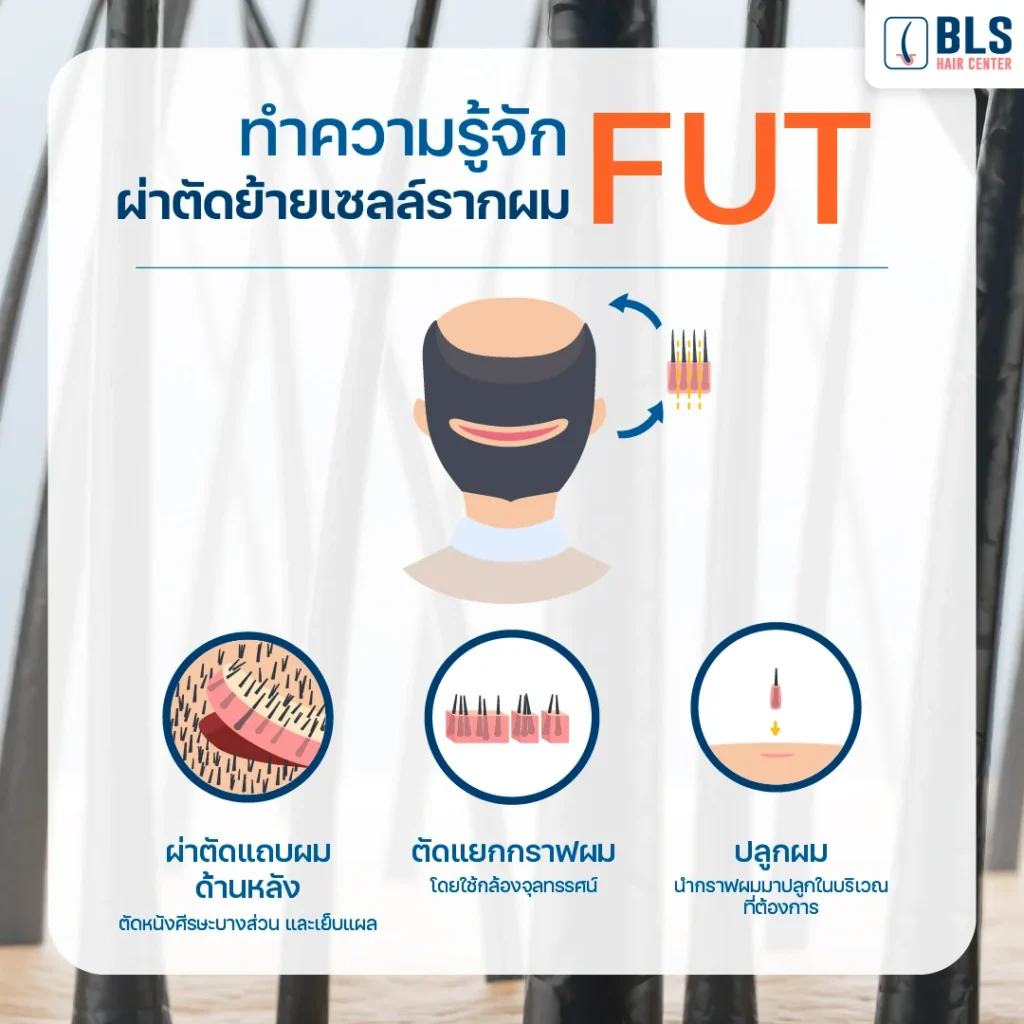
FUT (Follicular Unit Transplantation)
Involves removing a strip of scalp from a dense area, dividing it into grafts (1–4 hairs each), and transplanting them to thinning areas.
- Pros: Harvests many grafts at once, time-efficient, lower cost
- Cons: Leaves a long scar, longer recovery time
FUE (Follicular Unit Extraction)
Involves extracting individual grafts using specialized tools and transplanting them to thinning areas.
- Pros: No long scar, fast recovery, ideal for small areas
- Cons: More time-consuming, higher cost
Results and Reviews: Male Hair Transplantation
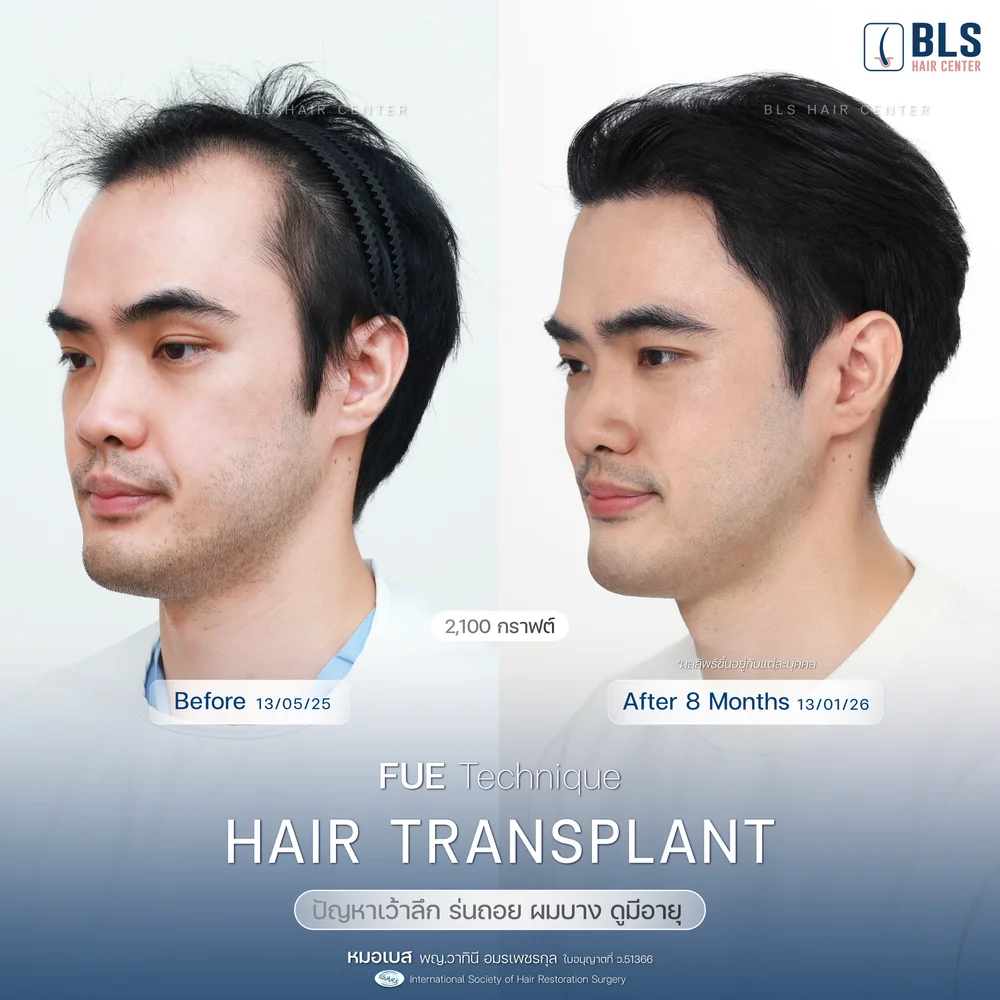
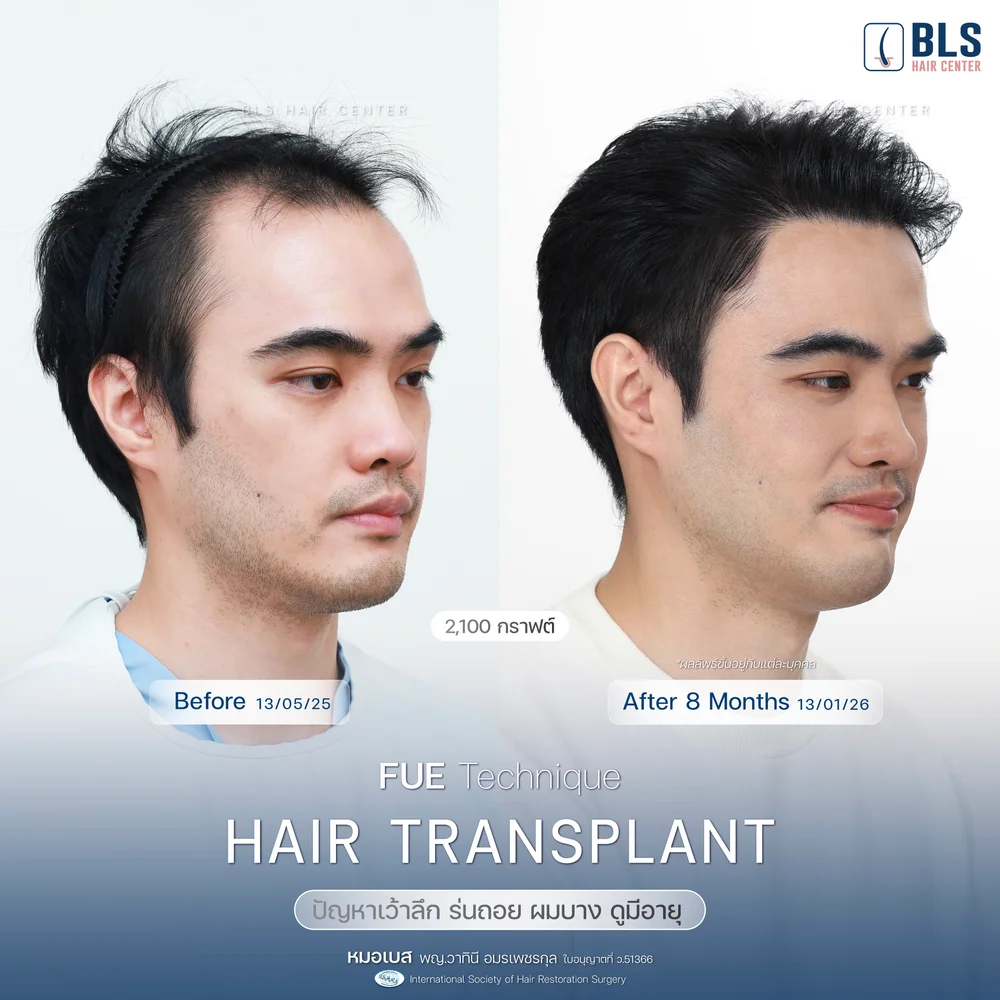
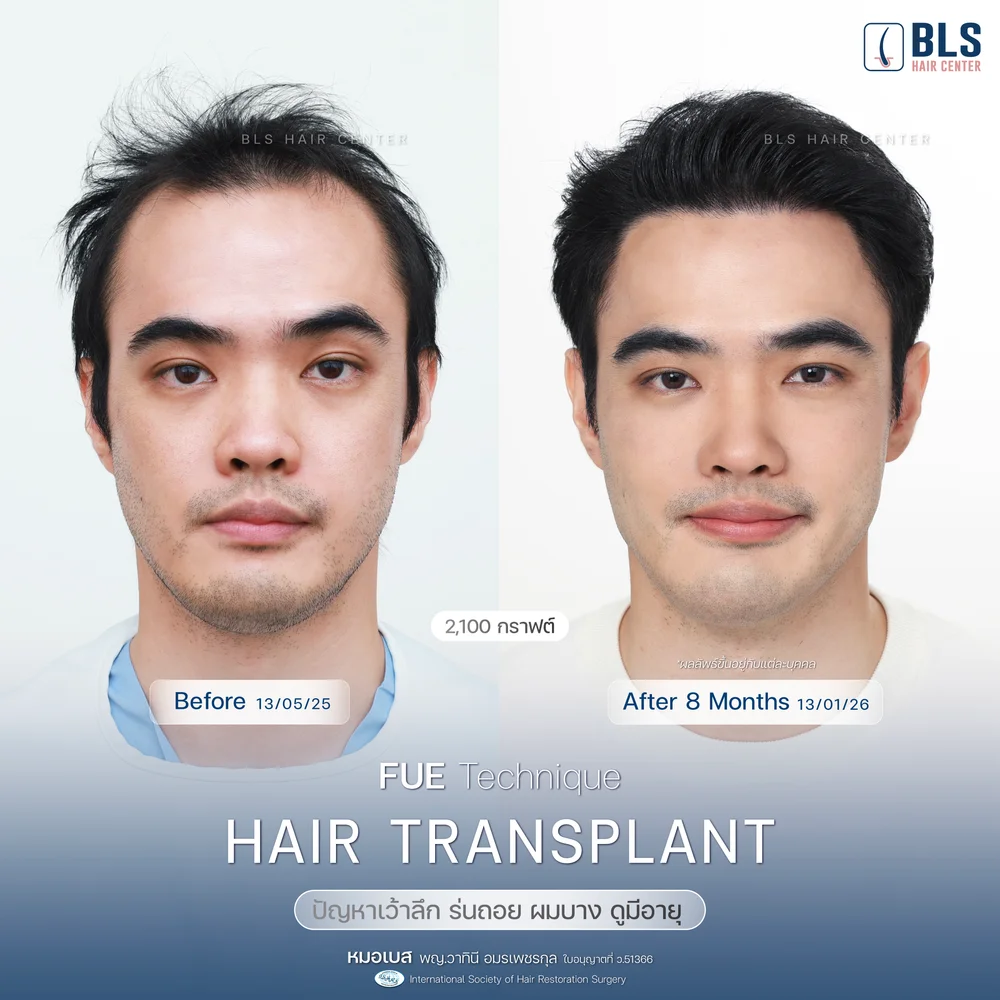
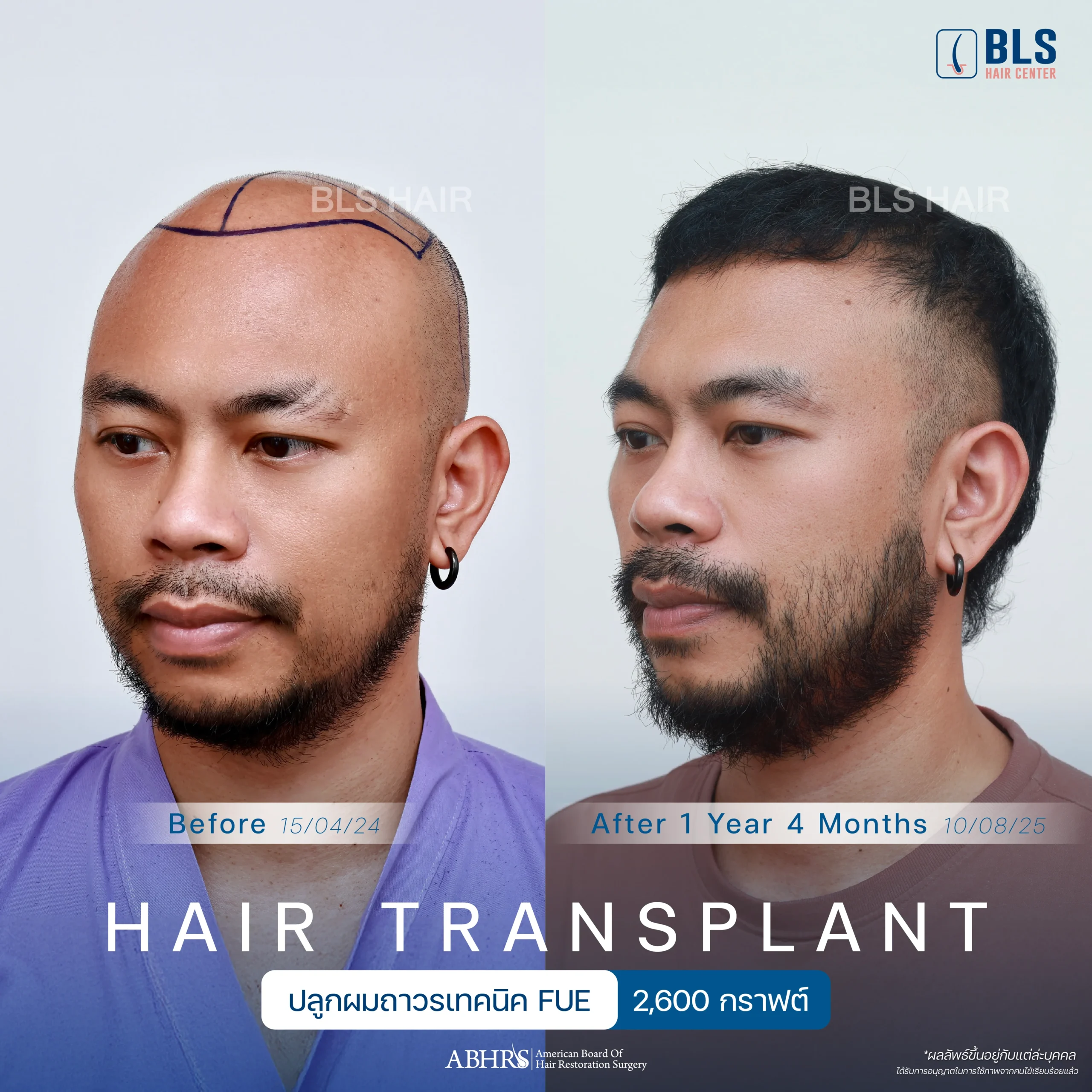
Results from FUT and FUE become visible within 6–12 months. The new hair looks natural and continues to grow. Many men with crown thinning or baldness report high satisfaction with the results. The new hair is strong, thick, and natural-looking.
Reviews confirm that both techniques significantly boost confidence and improve appearance. Recovery is quick, painless, and leaves no obvious scarring—allowing men to return to daily life swiftly. FUT and FUE are highly effective solutions for men seeking to restore their hair.
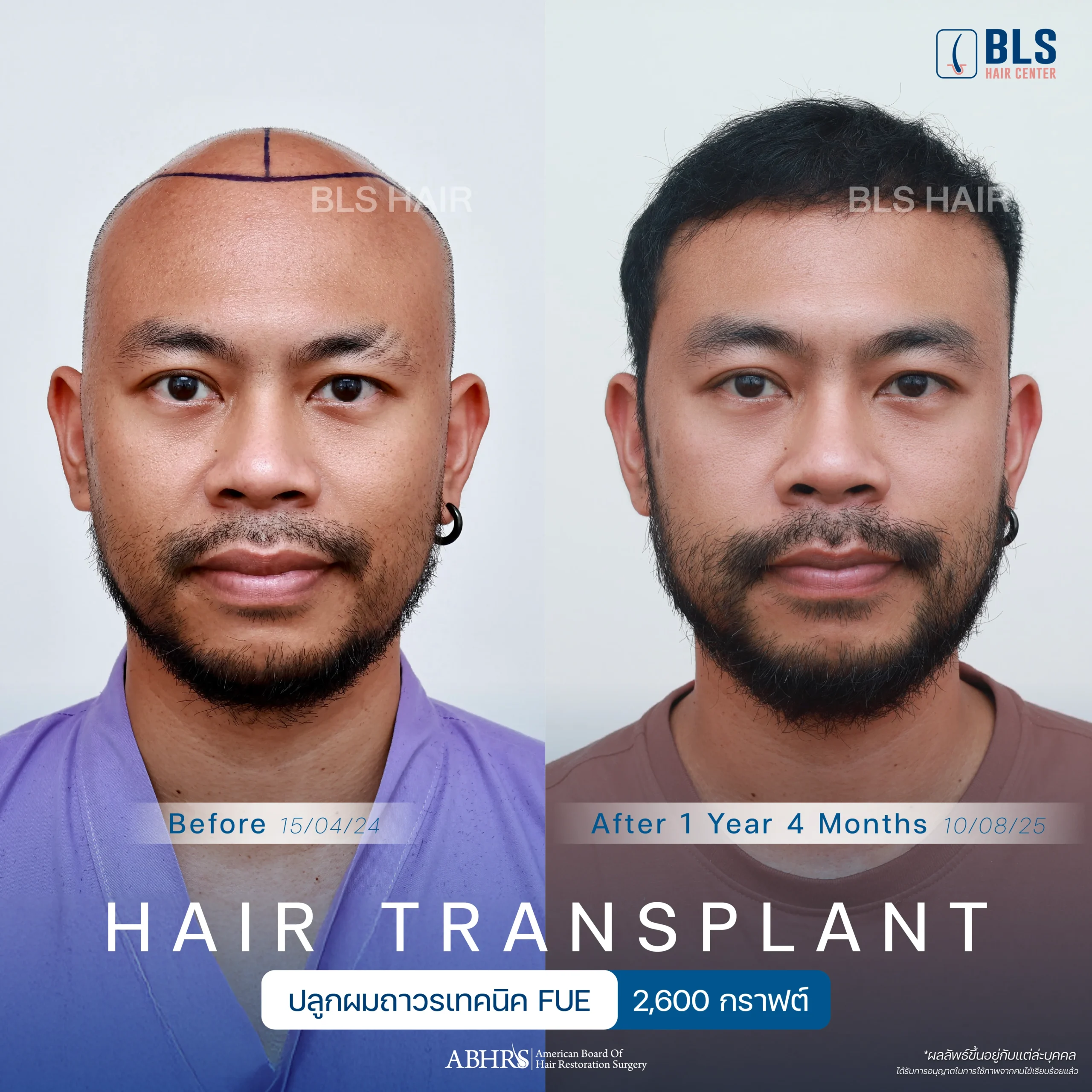
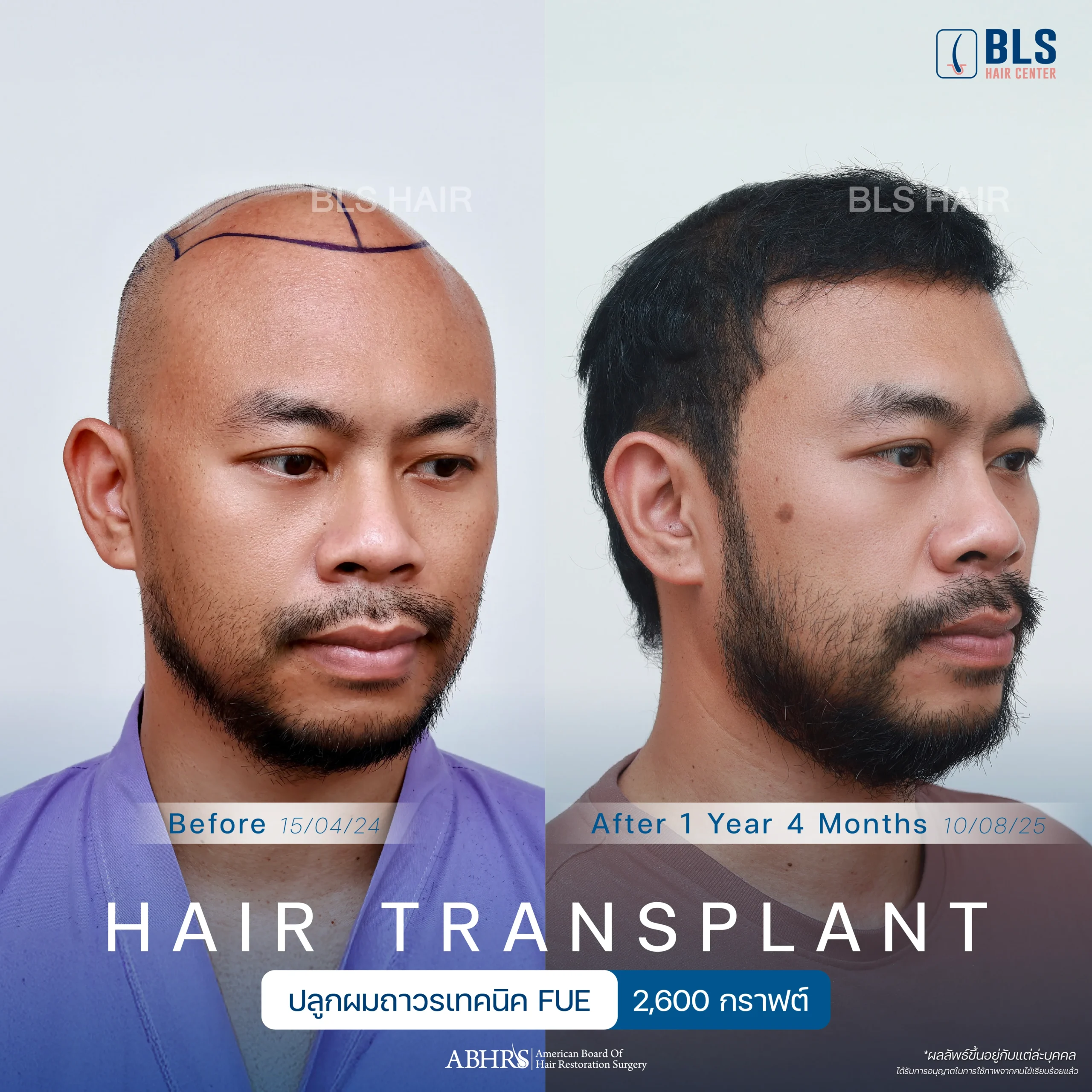
Restore Confidence Through Hair Transplantation: The Best Solution for Women and Men
Hair transplantation is a powerful solution for hair loss, thinning, or baldness in both women and men. While causes and techniques may differ, choosing the right method can effectively restore hair and confidence. The best approach depends on individual needs and severity.
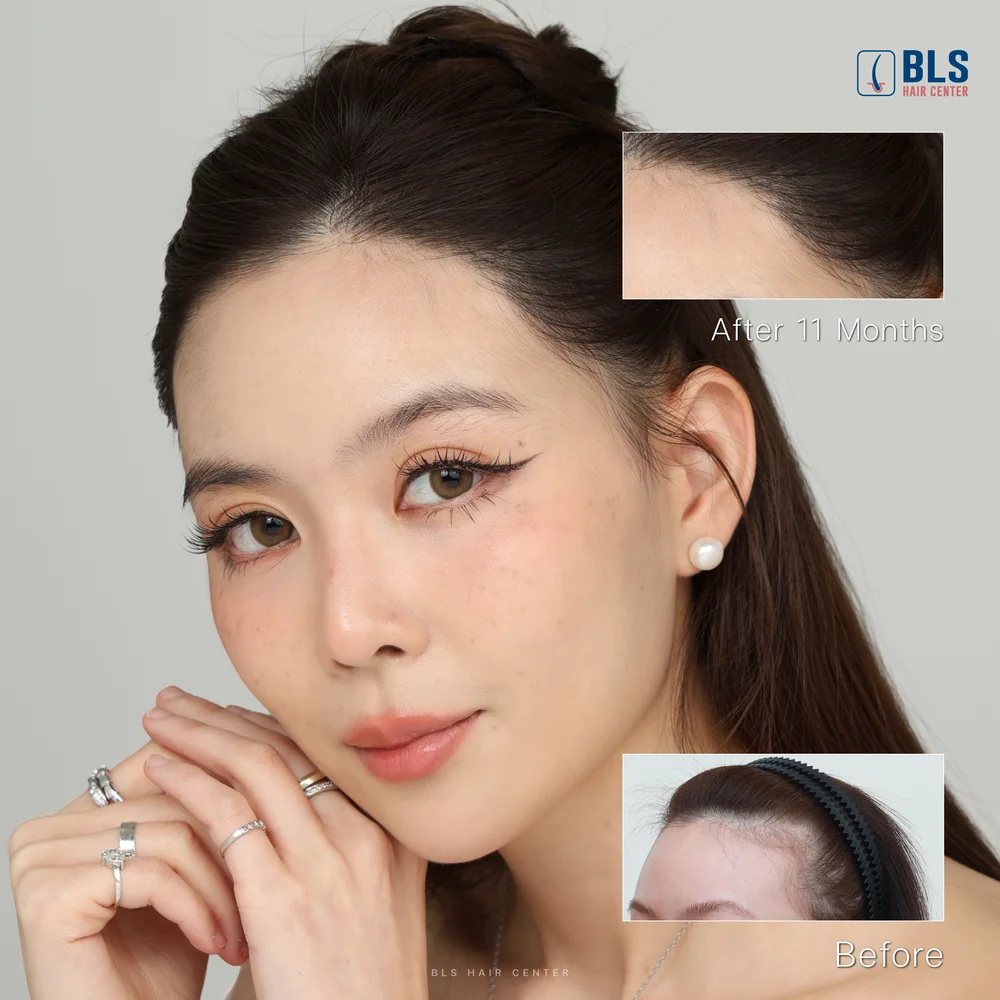
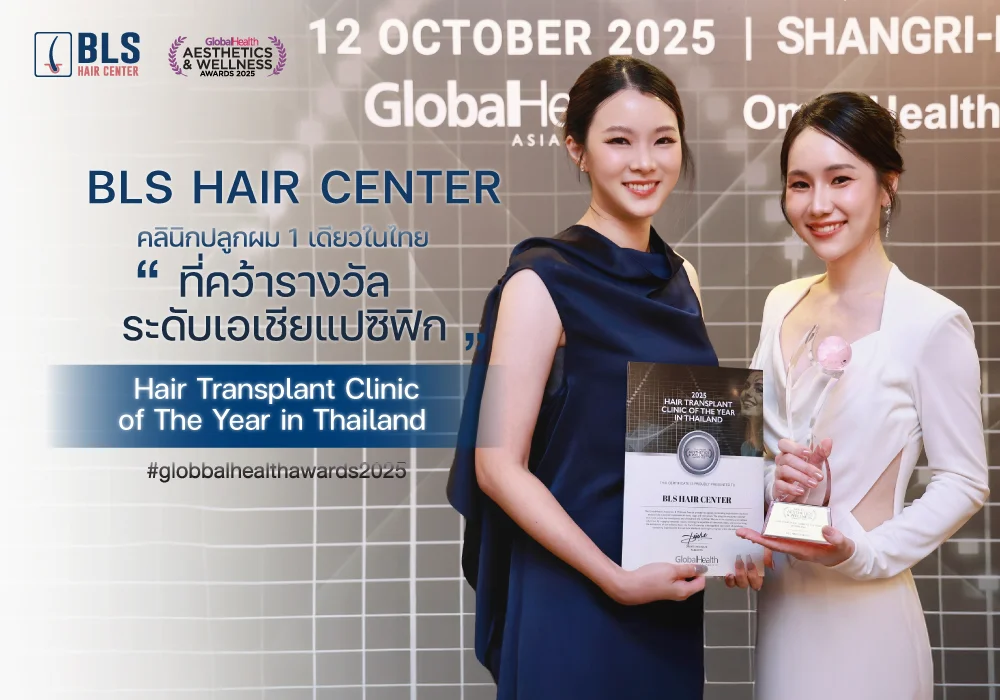
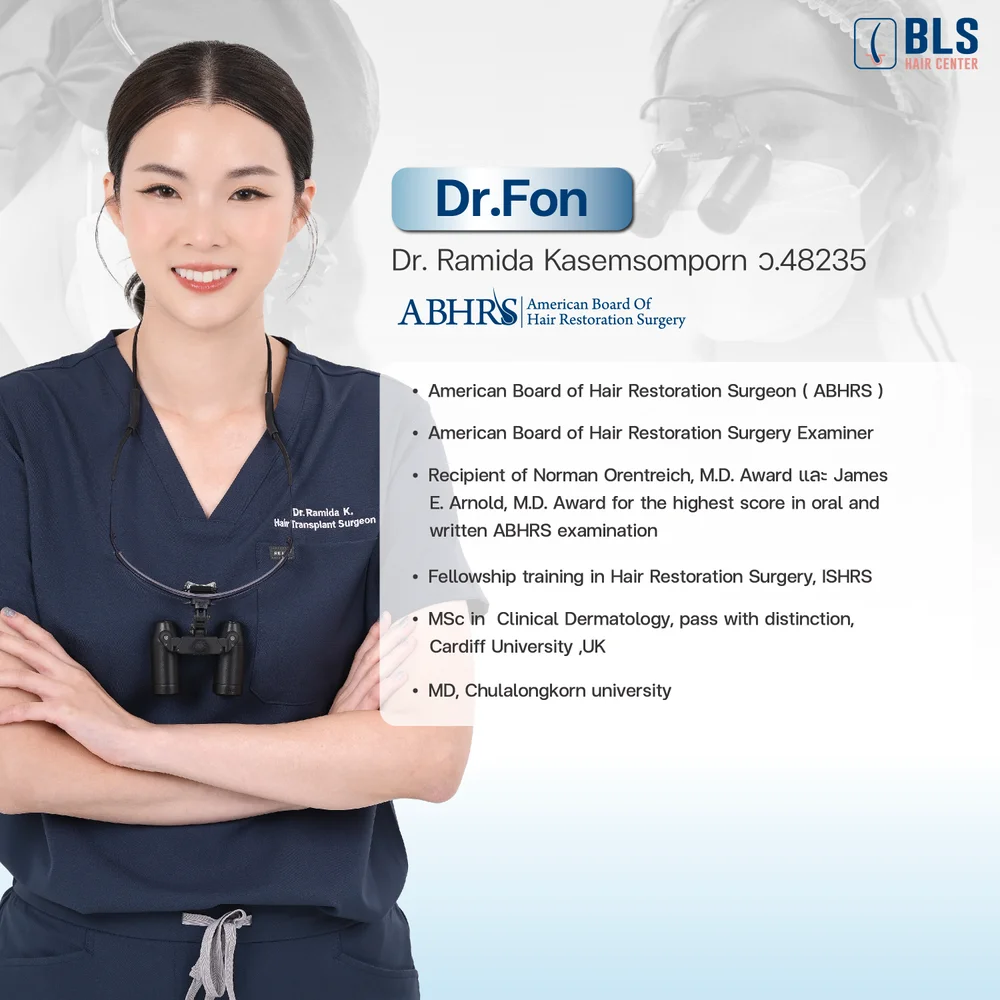
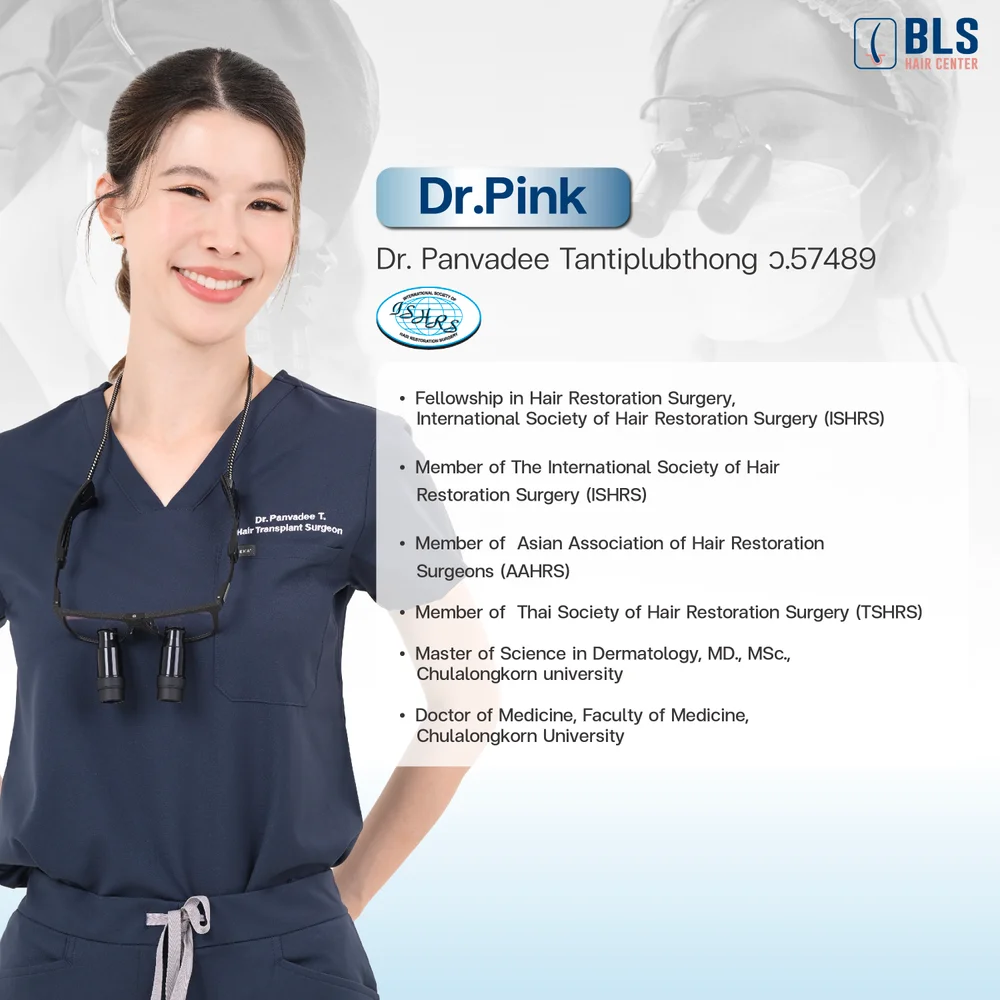
At BLS Hair Center, our expert team—led by Dr. Bee, an American Board-certified hair transplant specialist—uses cutting-edge technology to deliver the best results. Our BLS-After Restoration program is tailored to each patient’s hair condition and goals. We also offer our exclusive Hair-Live Technique, a gentle, non-shaven method that preserves hair integrity and delivers optimal outcomes. Whether you’re a woman or a man, consult with us to find the best solution for your hair.




Hair Transplant Reviews: Natural Results Delivered by BLS Hair Center