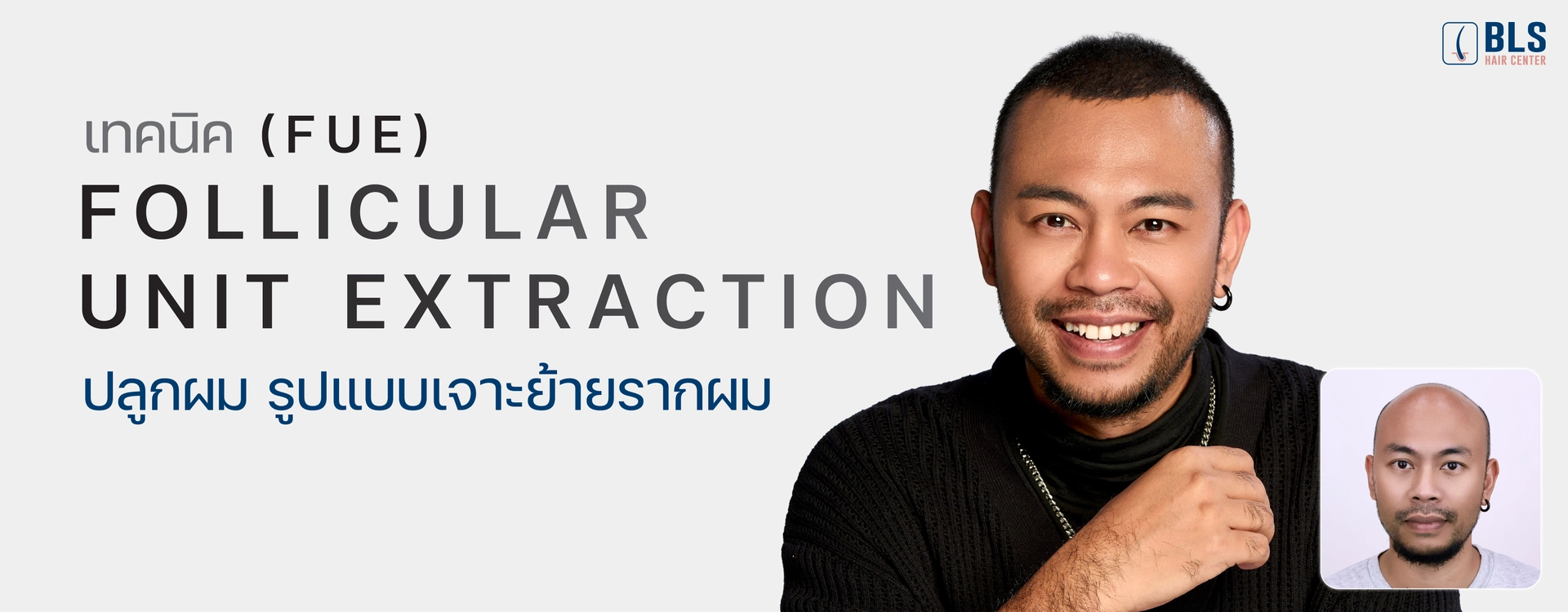
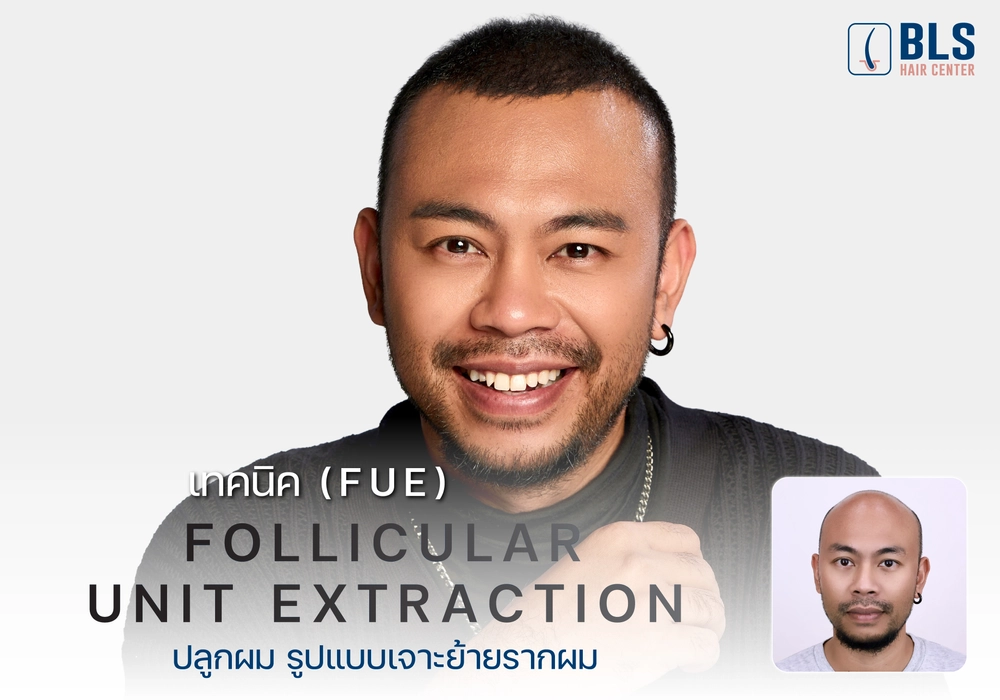
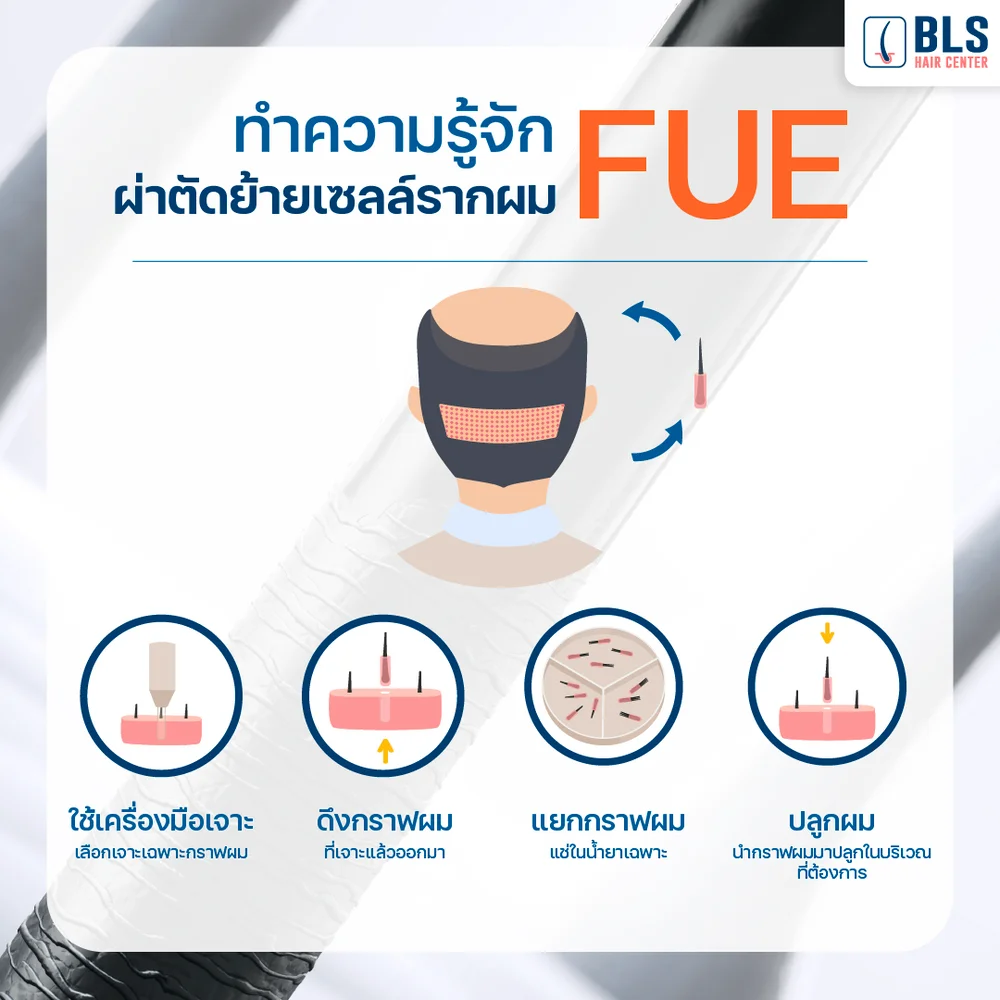
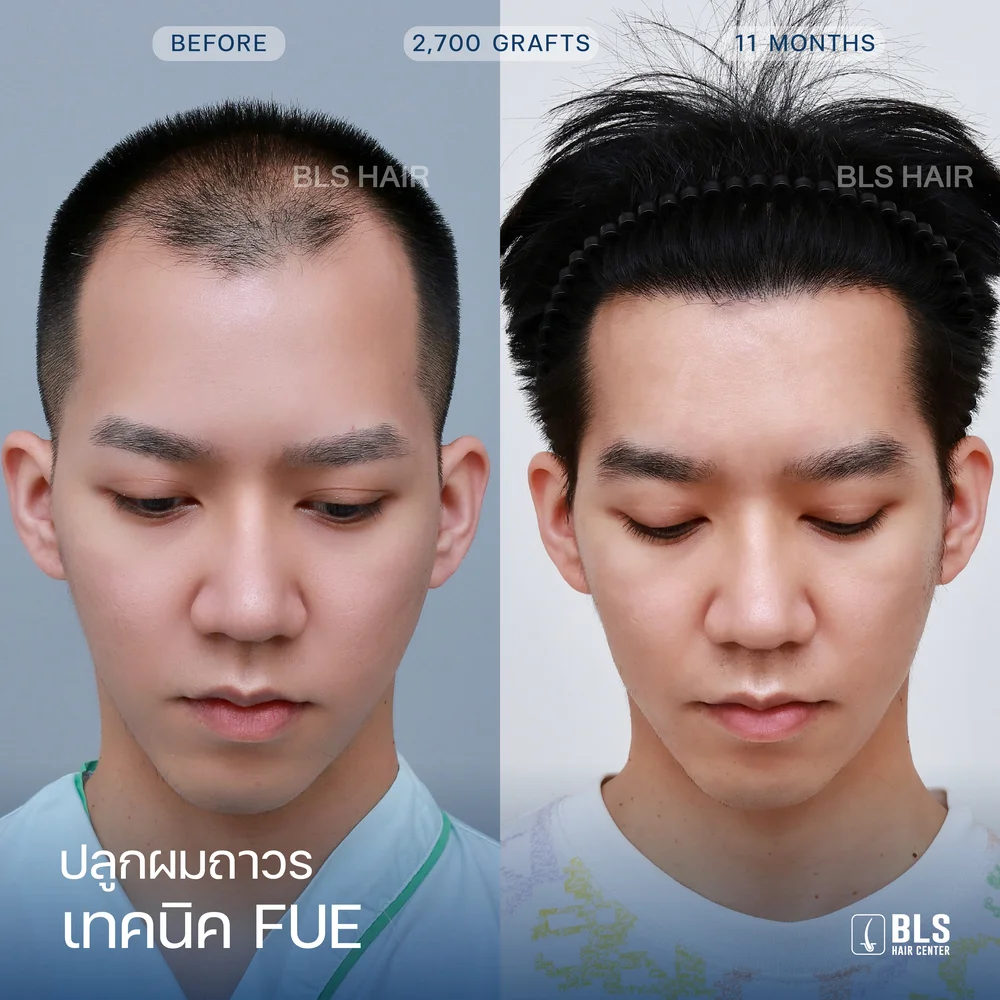
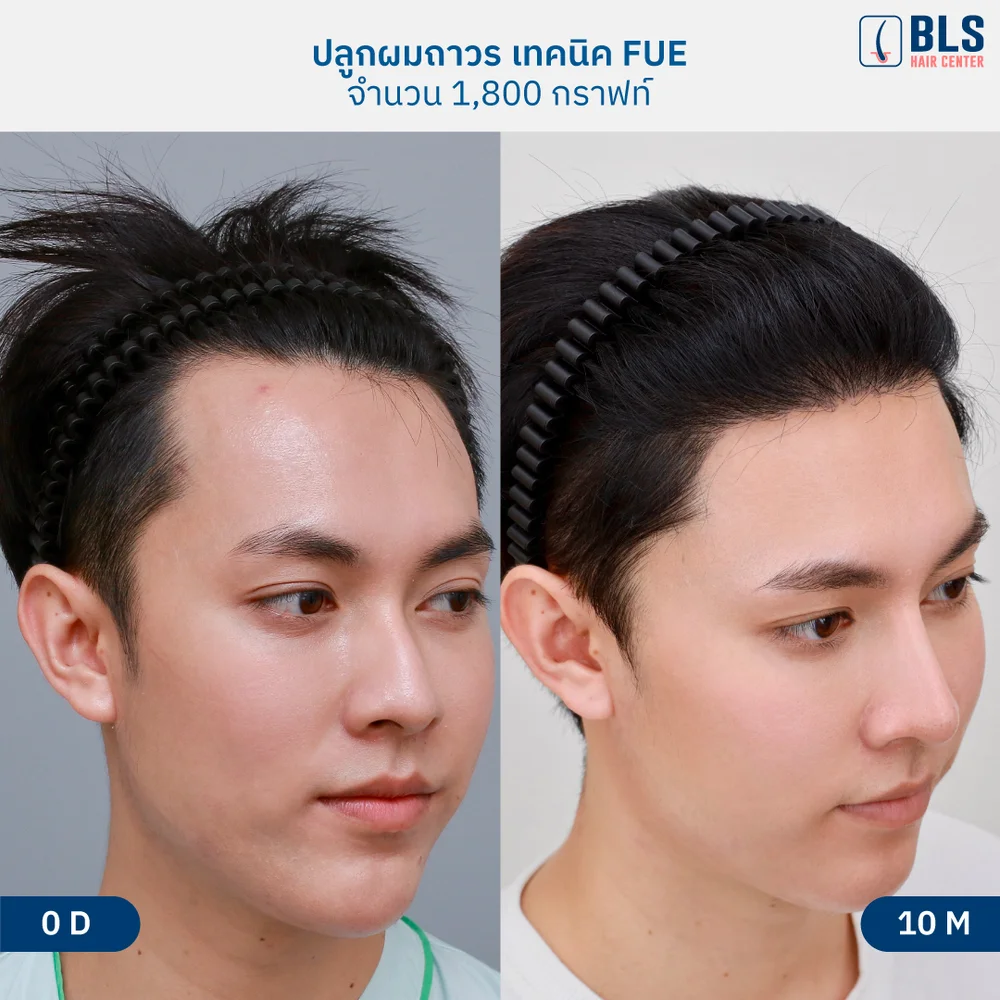
FUE (Follicular Unit Extraction) involves extracting hair follicles from the occipital “Safe Zone,” where hair is naturally strong and resistant to shedding.
These follicles are then transplanted to the front to correct issues like wide foreheads, thinning hair, baldness, M-shaped hairlines, or widened hair parts.
FUE is a permanent hair transplant technique that extracts intact hair follicles from the Safe Zone using specialized tools. Each graft typically contains 1–4 hairs within a single follicle. The more hairs and the thicker the strands per graft, the higher the graft quality.
Grafts are meticulously selected under a microscope to ensure strength and viability before being transplanted to the target area.
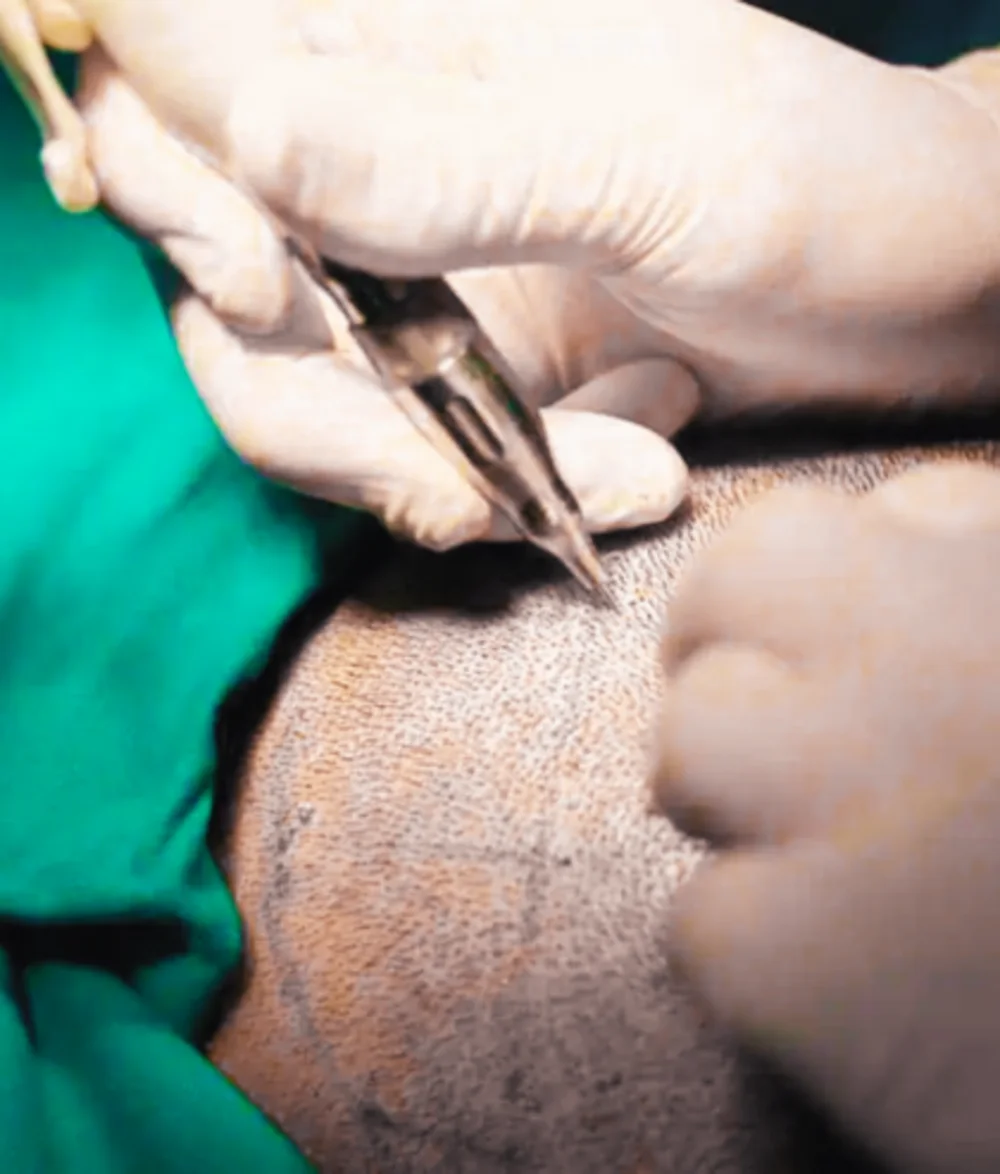
This method does not involve scalp surgery, resulting in minimal scarring—only the size of a hair follicle—and requires very little recovery time.
FUE is a modern, permanent technique gaining popularity for its proven results and long-lasting outcomes. Patients consistently report satisfaction and recommend it to others.
Hair loss and thinning affect all genders and ages—from early 20s to older adults.Stressful environments and daily pressure can lead to chronic stress, triggering hair loss. But what are the main causes? Let’s explore with BLS Hair Center.
Human hair typically consists of around 100,000 strands and grows at an average rate of 0.5 to 1 centimeter per month. The structure of hair is divided into two parts: the portion that emerges above the scalp, known as the hair shaft, which covers the scalp surface; and the hair root, which is embedded within the scalp tissue. Each hair root is housed within a follicle that contains a pointed bulb nourished by blood vessels and nerve endings. These components stimulate the follicular cells to divide continuously, allowing new hair cells to regenerate. This process is vital for healthy hair growth. On average, the human body contains approximately 5 million hair follicles, though this number gradually decreases with age.
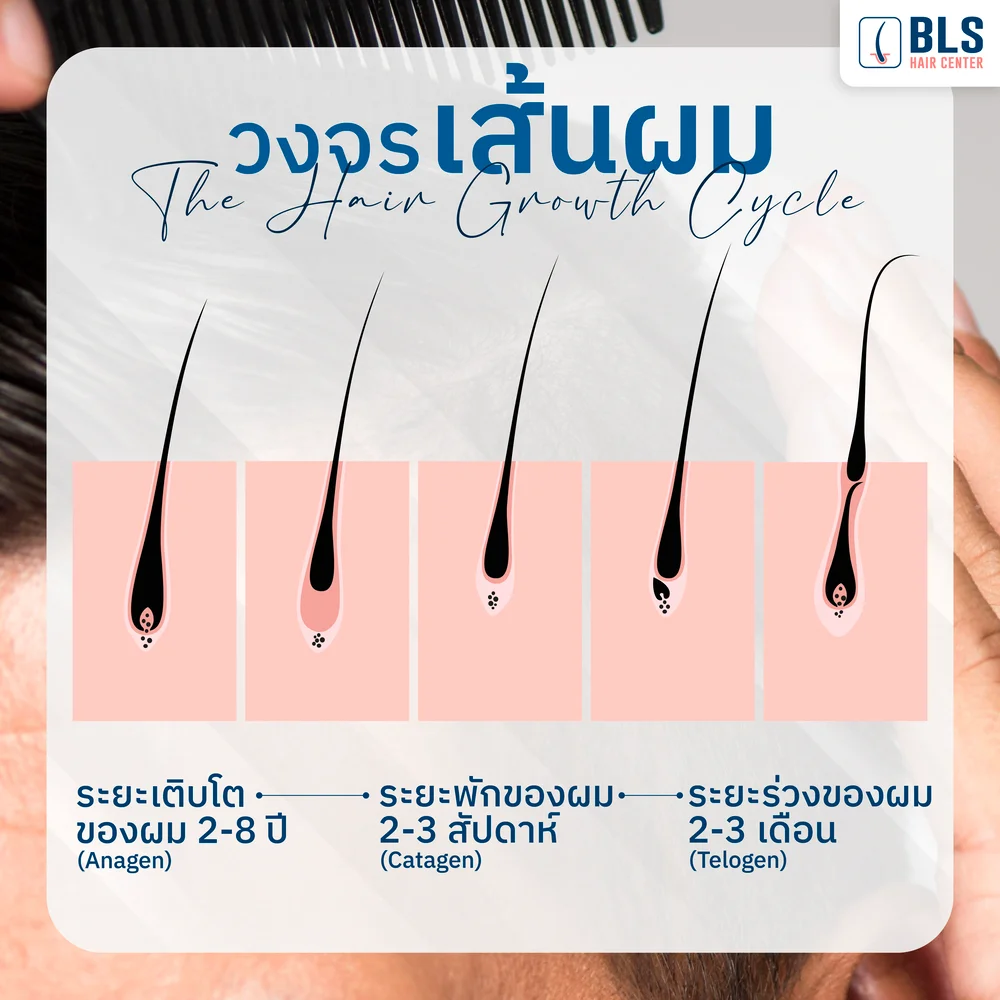
Hair remains in the shedding phase for approximately 2–3 months, depending on genetic factors and hair density. During this phase, the hair strand detaches from the follicle. However, new hair will subsequently emerge from the same follicle and enter the growth phase, continuing the natural cycle of hair regeneration. This process repeats continuously as part of the hair’s life cycle.
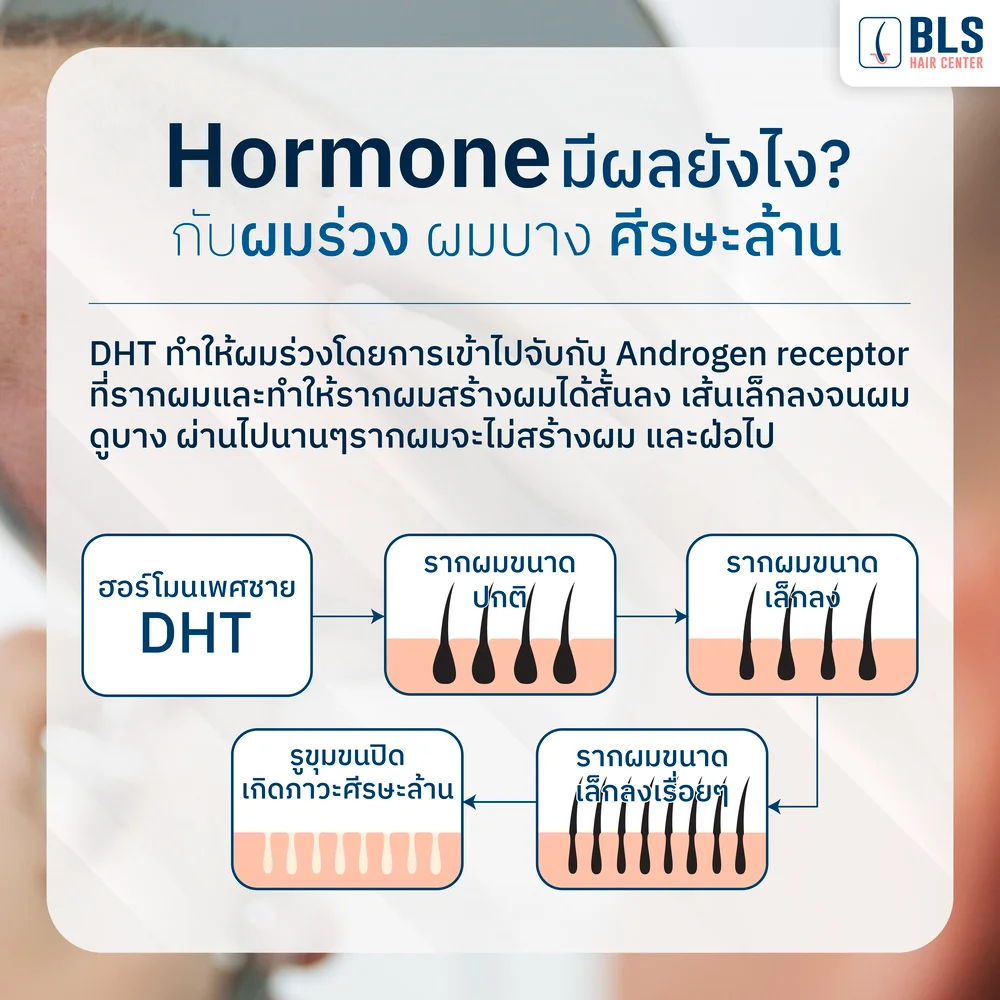
As children, we’re often told we have thick hair. But as we age, even a gentle touch can cause shedding. This is due to hormonal changes—especially DHT (Dihydrotestosterone), the main hormone responsible for hair loss.
DHT is a male sex hormone that influences voice deepening, genital development, prostate health, and body hair growth.
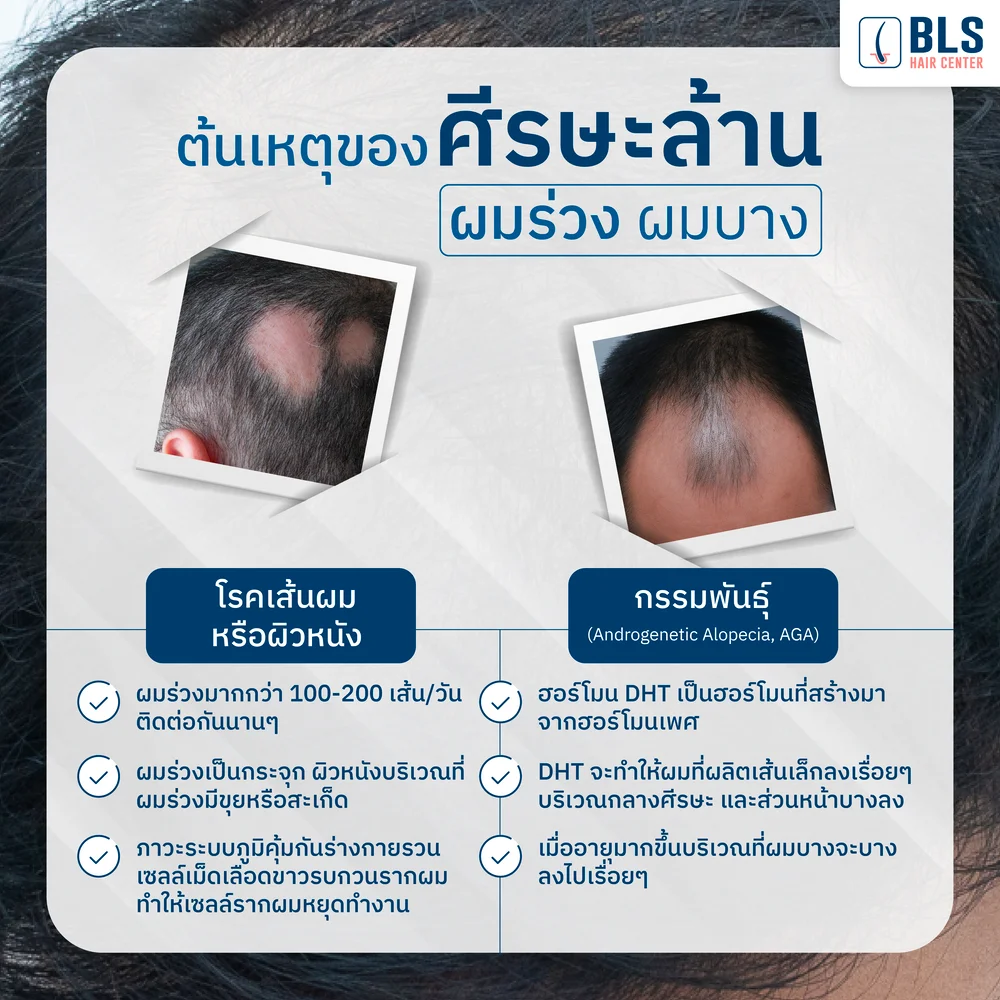
Excess DHT binds to androgen receptors at the hair root, shortening the growth phase and prolonging the rest phase. This suppresses hair growth, weakens follicles, and leads to thinning and shedding. Over time, follicles shrink and stop producing hair—especially in those with genetic predisposition to baldness.
Genetics influence appearance and health—including hair loss. If family members have thinning or baldness, these traits can be inherited. This leads to hereditary baldness or thinning.
Apart from genetics and hormones, hair loss and thinning may also be caused by medications or chemical substances. Many people begin treating hair concerns by taking medication or using hair care products but often overlook the possibility of allergic reactions or side effects from these treatments. In fact, several types of medication can contribute to hair loss and thinning. Therefore, it’s important to carefully review any drugs or products before use to avoid adverse reactions. Consulting directly with a physician who specializes in hair health is the safest and most effective approach.
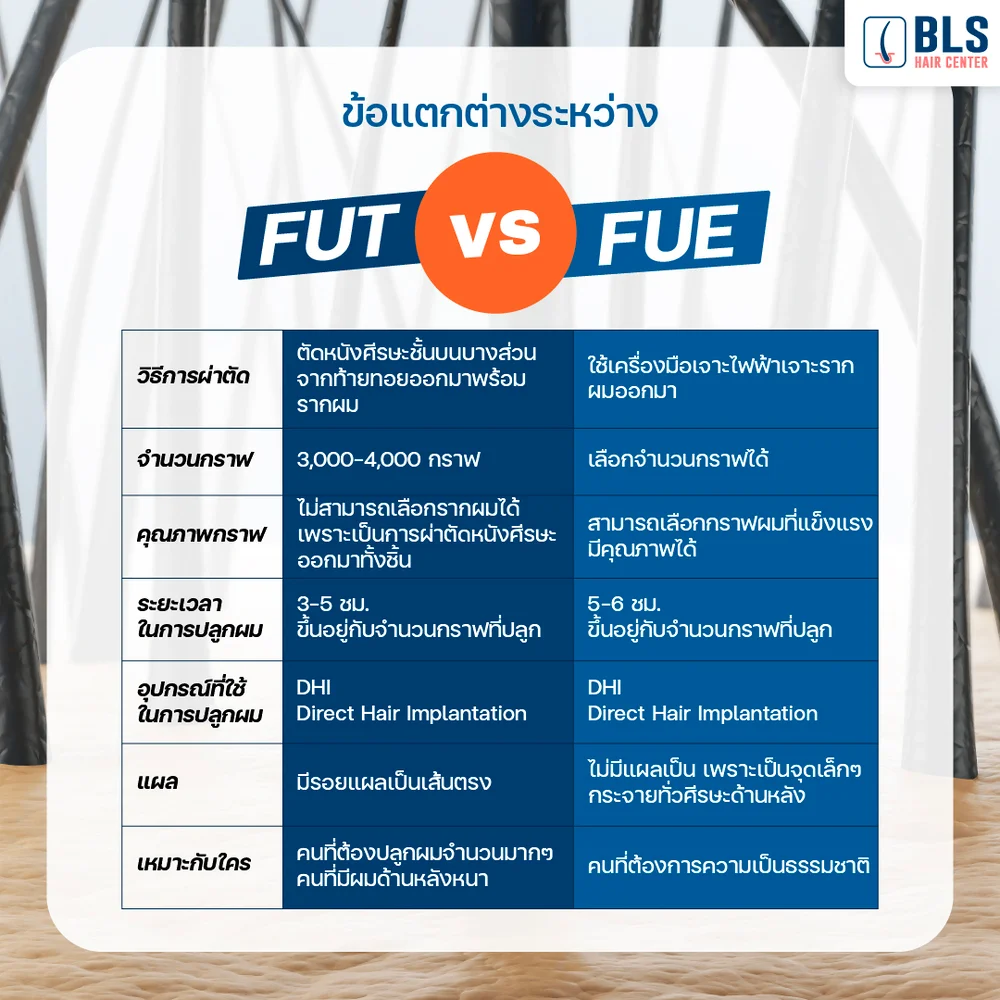
The FUE hair transplant technique uses an electric punch tool to extract hair follicles for transplantation, eliminating the need for surgical incisions. In contrast, the FUT method involves surgically removing a thin strip of scalp from the occipital area along with the follicles, allowing for the extraction of up to 3,000–4,000 grafts, though individual follicles cannot be selectively chosen. FUE, on the other hand, allows for precise selection of both the quantity and quality of grafts. FUT is more suitable for patients requiring a large number of grafts or those with dense donor hair at the back of the head, while FUE is ideal for those seeking natural-looking results.
The FUT procedure typically takes 3–5 hours, whereas FUE requires around 5–6 hours depending on the number of grafts. The use of DHI (Direct Hair Implantation) devices enhances accuracy and efficiency during FUE. Additionally, FUT leaves a linear scar at the back of the head, while FUE results in no visible scarring—only tiny dot-like marks scattered across the donor area.
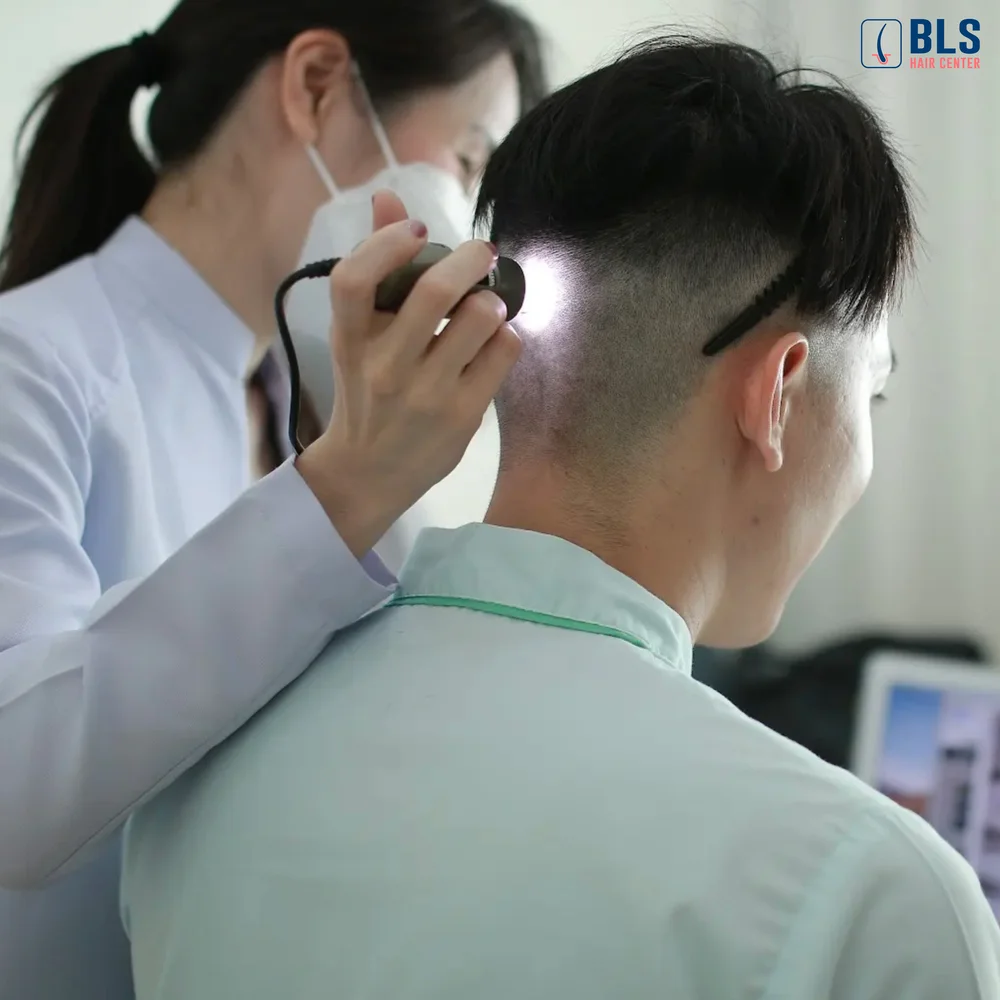
1. Comprehensive treatment planning for hair and scalp issues
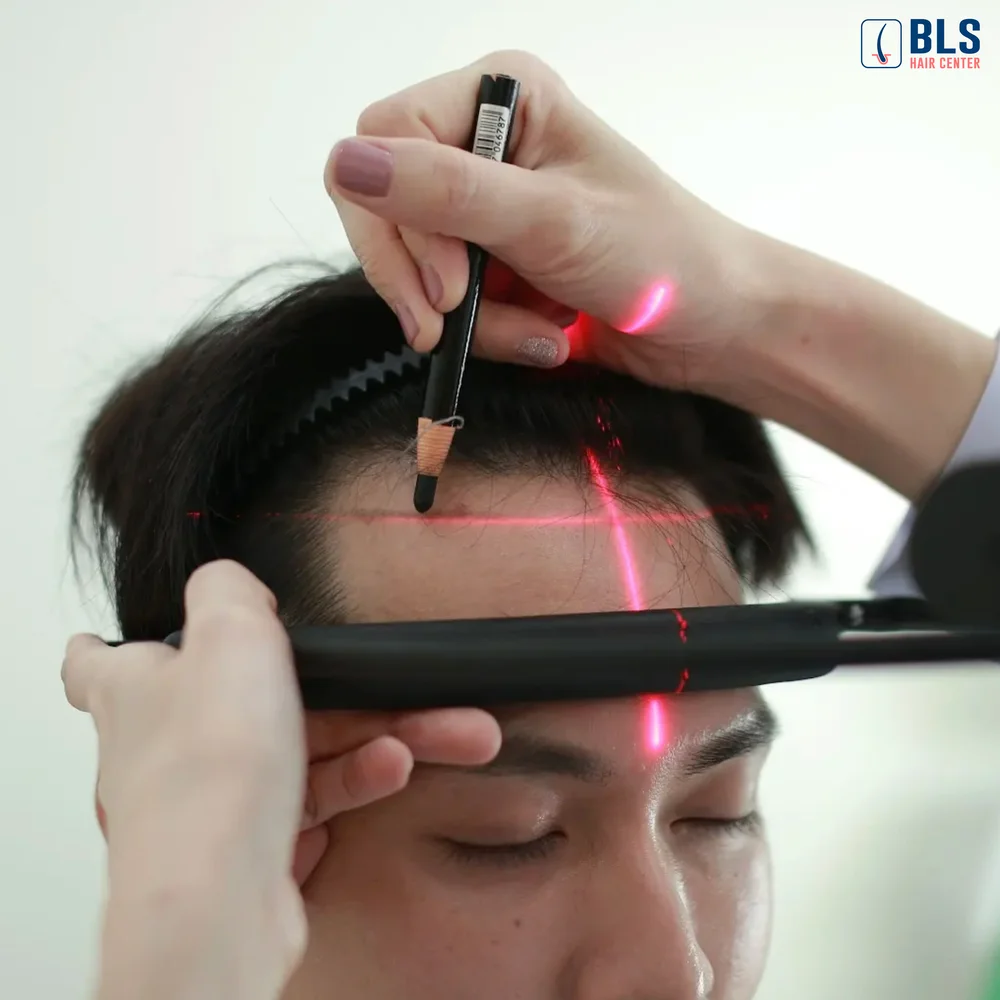
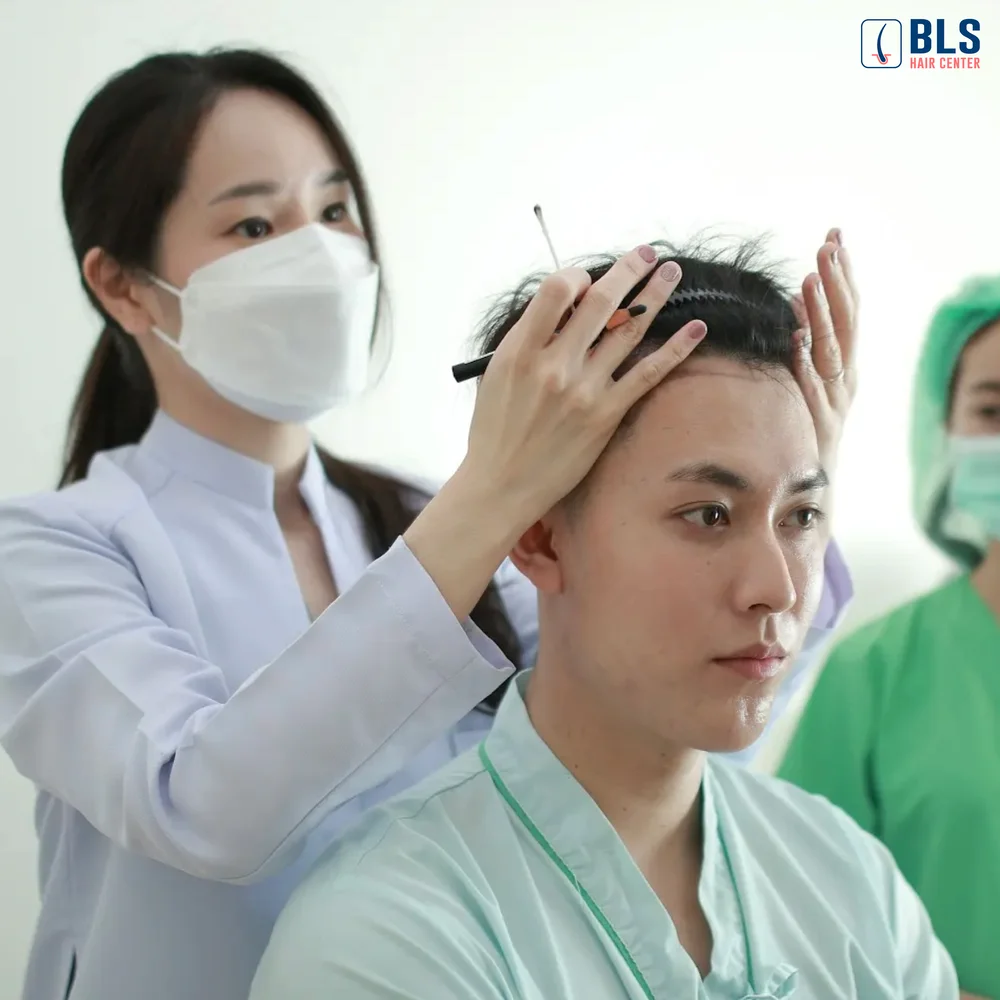
2. Hairline design with the physician for personalized results
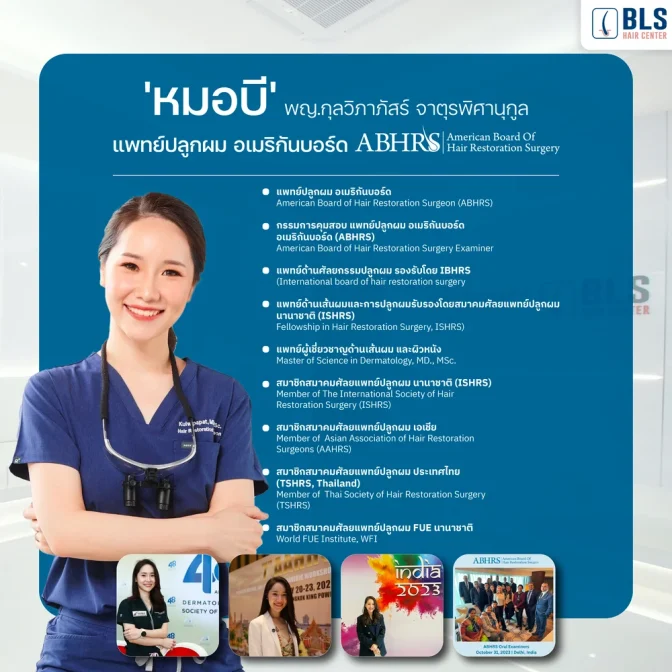
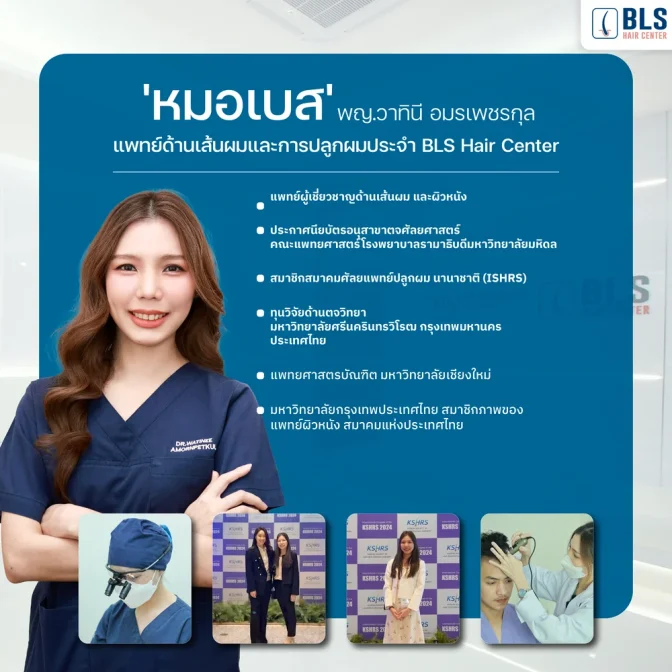
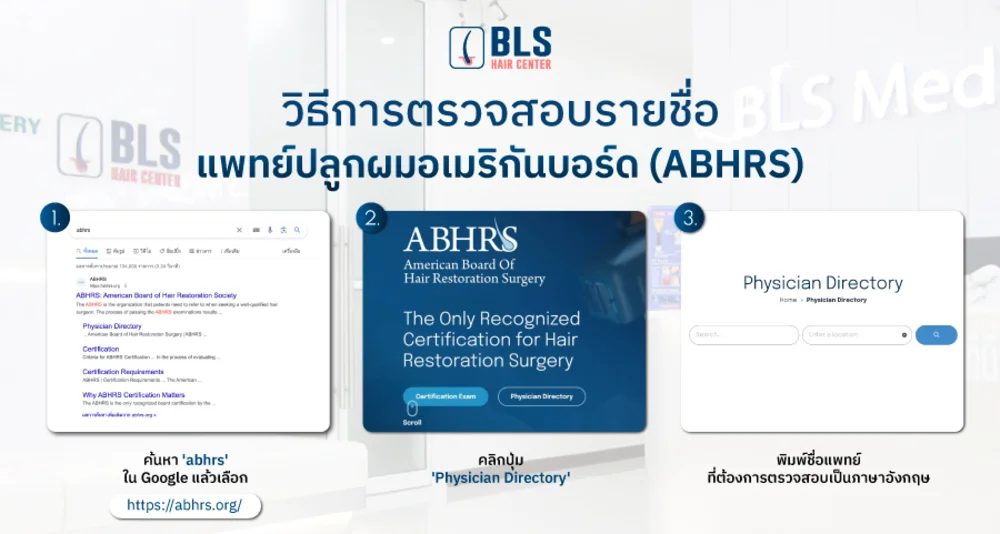
Every FUE case at BLS Hair Center is treated and consulted by a team of hair transplant specialists under the standards of Dr. Bee, an American Board-certified Hair Transplant Surgeon (ABHRS). ABHRS is a global certifying body for hair transplant surgeons.
Dr. Bee is also one of only three ABHRS Examiners in Thailand and holds certification from IBHRS (International Board of Hair Restoration Surgery)—the world’s largest hair transplant surgery association. She is internationally recognized for her high-standard surgical expertise.
The cost of FUE hair transplantation depends on the number of grafts required for the procedure. Therefore, to determine the exact cost, patients should consult with a physician to assess the level of hair loss or thinning and evaluate the scalp condition. This allows accurate calculation of the number of grafts needed and the treatment cost. At BLS Hair Center, patients can check FUE hair transplant prices, as well as other permanent hair transplant techniques, at https://bls-haircenter.com/promotion/
DHI (Direct Hair Implantation) is a technique that uses an Implanter Pen, a specialized medical device resembling a pen with a fine metal tube at the tip, designed to implant hair follicles directly into the scalp. This method helps protect the follicles from damage and ensures they remain intact, resulting in improved outcomes. For permanent hair transplantation, regardless of the technique — FUE, Non-Shaven FUE, or FUT — the DHI device can be used in combination with any method.
A hair graft, or follicular unit, typically contains 1–4 hairs per graft, depending on individual hair density. The donor area at the back of the scalp (Safe Zone) usually has the strongest and densest hair, as it is less affected by DHT hormones. Physicians commonly use hair from this area for transplantation to the front. The number of grafts required is assessed based on each patient’s hair and scalp condition, the degree of hair loss or thinning, and the design of the hairline to suit facial proportions. In most cases, no more than 3,000 grafts are used per session.
Permanent hair transplantation can be performed more than once, but it is limited by the number of grafts available in the Safe Zone. Once follicles are extracted from the donor area, hair will not regrow there. Therefore, physicians must carefully plan graft selection and maximize their use to ensure effective results, avoiding thinning at the back while preserving sufficient follicles for future procedures.
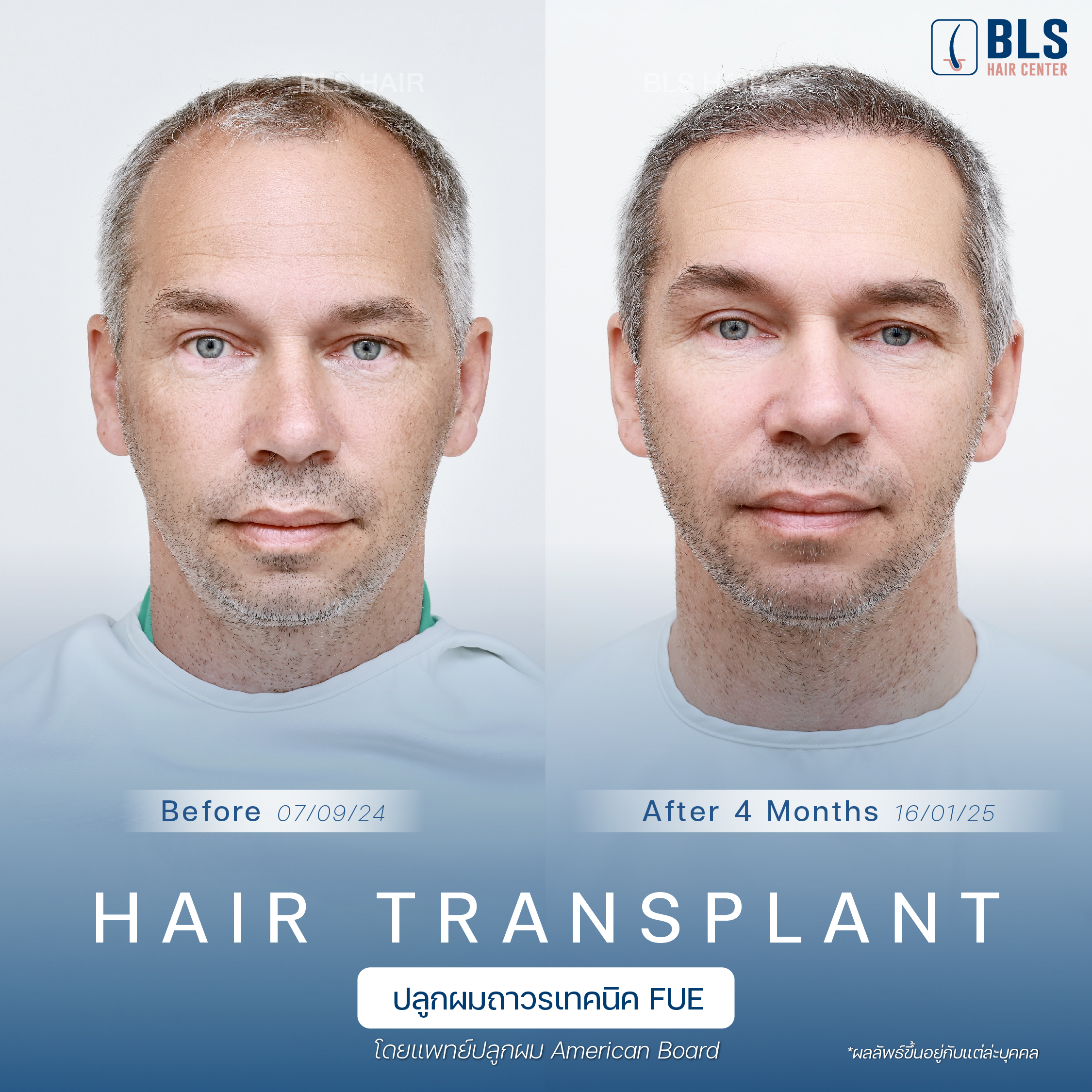
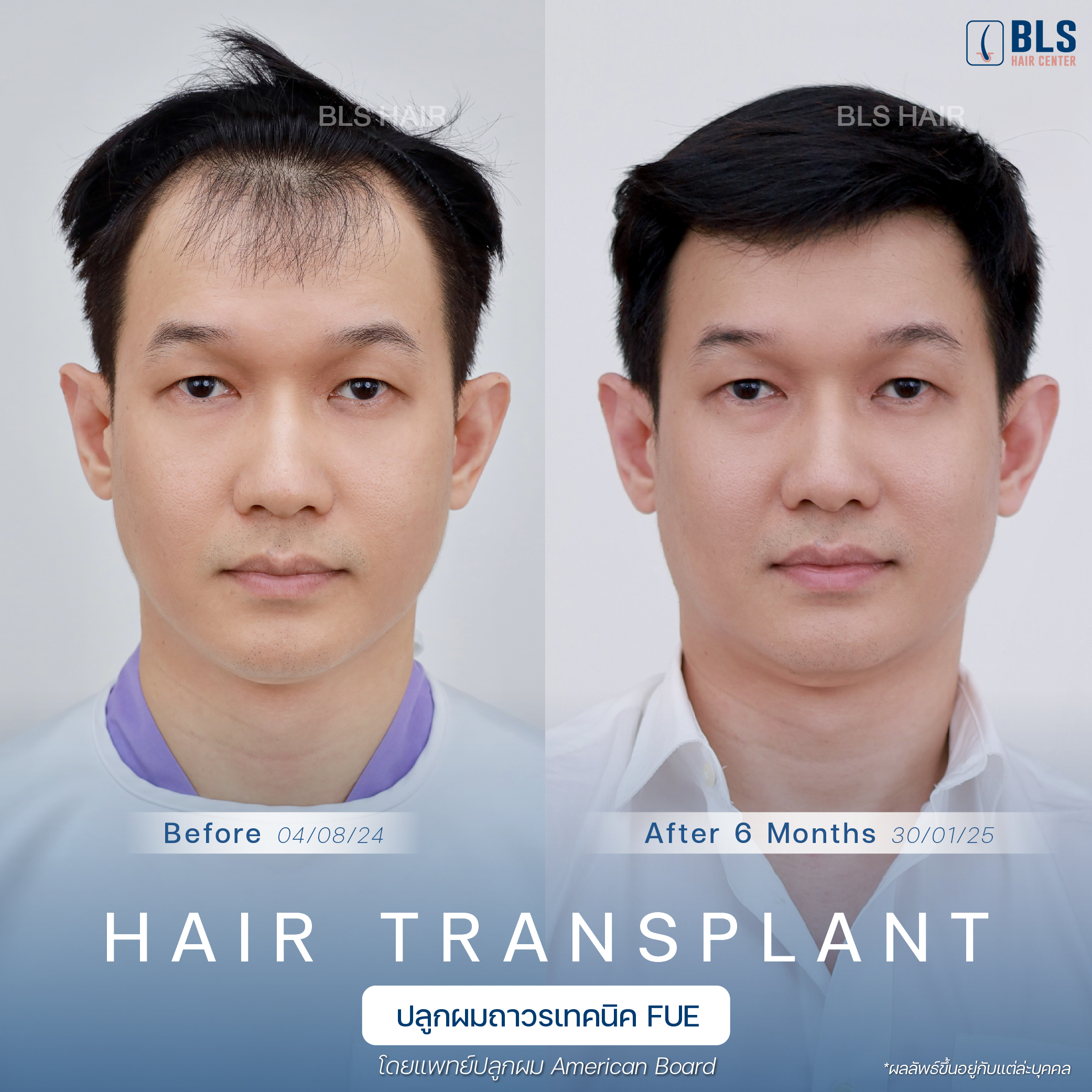
Hair transplantation using follicular unit extraction — whether FUE, Non-Shaven FUE, or FUT — provides permanent results. New hair growth becomes visible from 4 months onward, with increasing density and strength over time. After permanent transplantation, PRP injections can be administered monthly during the first 3 months to stimulate follicle activity. Once hair growth is established, PRP can be continued every 3–6 months to enhance and prolong results.
Searching for a Hair Transplant Clinic or a Hair Transplant Clinic near me? Conveniently located in the city center with multiple branches in Bangkok and Nakhon Pathom, BLS Hair Center performs procedures by American Board-certified physicians. The clinic’s staff uphold high medical ethics, specializing in hair transplantation and hair care, with patient safety as the top priority. Operating under BLS Medical Center, a licensed medical facility (License No. 10102002367 — verified at https://hosp.hss.moph.go.th/), the clinic has received the prestigious Master Entrepreneur Award from the Asia Pacific regional awards. Today, it is recognized as one of the leading clinics for Long Hair Transplantation and Non-Shaven Female Hairlines. Patients can consult directly with physicians at no cost.
Address: 88 Stadium One Project, Service Points: 1st Floor & 5th Floor
Soi Chula 5, Wang Mai Subdistrict, Pathumwan District, Bangkok 10330
Call : 024-609-210 press 1
Address: 95/3–6 Ratchadamnoen Road Phra Pathom Chedi Subdistrict, Mueang Nakhon Pathom District Nakhon Pathom Province 73000
Call : 024-609-210 press 3
Address: 200/50–51 Moo 5, Phutthamonthon Sai 4 Road Salaya Subdistrict, Phutthamonthon District Nakhon Pathom Province 73170
Call : 024-609-210 press 4
Eligible for a hair condition assessment